
Dr. Ryan Bair
LCSWOregon · 15 yrs exp
Compassionate, practical support for life transitions
Stress, Anxiety · Trauma and abuse · Grief · Self esteem · +15 more
Read profileTherapists in the US, UK and Australia
If you need help nowTherapist listings are provided by BetterHelp. We will earn a commission at no extra cost to you if you use our links to buy.
Use these Oregon profiles to compare therapists who list end of life and serious illness among their focus areas, including approaches, languages, degrees and professional credentials.
Browse profiles grouped under the listed location Oregon to find clinicians who match what matters to you, and check each profile to confirm permission to work where you live before reaching out.
Oregon · 15 yrs exp
Compassionate, practical support for life transitions
Stress, Anxiety · Trauma and abuse · Grief · Self esteem · +15 more
Read profile
Oregon · 30 yrs exp
Calm, practical support for life changes
Stress, Anxiety · Addictions · Trauma and abuse · Depression · +13 more
Read profile
Oregon · 4 yrs exp
Therapist focused on practical healing
Relationship · Trauma and abuse · Intimacy-related issues · Self esteem · +5 more
Read profile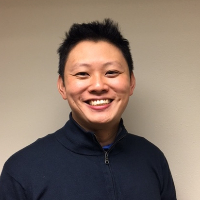
Oregon · 12 yrs exp
Compassionate clinical social work for life transitions
Stress, Anxiety · Relationship · Grief · Depression · +16 more
Read profile
Oregon · 9 yrs exp
Compassionate support for life transitions
Stress, Anxiety · Trauma and abuse · Grief · Self esteem · +10 more
Read profile
Oregon · 20 yrs exp
Practical, compassionate therapy for life transitions
Stress, Anxiety · Relationship · Grief · Eating · +11 more
Read profile
Oregon · 12 yrs exp
Compassionate trauma-informed care for life transitions
Stress, Anxiety · Trauma and abuse · Grief · Self esteem · +11 more
Read profile
Oregon · 22 yrs exp
Practical, goal-focused therapy for life challenges
Stress, Anxiety · Relationship · Family · Self esteem · +12 more
Read profile
Oregon · 30 yrs exp
Experienced psychologist for grief and life change
Stress, Anxiety · LGBT · Relationship · Anger · +13 more
Read profile
Oregon · 13 yrs exp
Compassionate support for grief and life changes
Stress, Anxiety · Trauma and abuse · Grief · Self esteem · +10 more
Read profile
Oregon · 20 yrs exp
Compassionate support for life transitions
Stress, Anxiety · Relationship · Trauma and abuse · Grief · +1 more
Read profile
Oregon · 30 yrs exp
Compassionate counselor for life transitions
Stress, Anxiety · Grief · Self esteem · Coping with life changes · +10 more
Read profile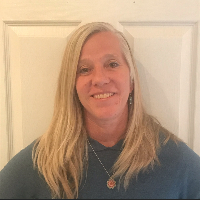
Oregon · 17 yrs exp
Compassionate support for grief and life changes
Stress, Anxiety · Grief · Bipolar · Depression · +12 more
Read profile
Oregon · 20 yrs exp
Caring, practical therapy for life transitions
Stress, Anxiety · Trauma and abuse · Grief · Self esteem · +13 more
Read profile
Oregon · 30 yrs exp
Compassionate clinical social worker and counselor
Stress, Anxiety · Addictions · Trauma and abuse · Grief · +15 more
Read profile
Oregon · 14 yrs exp
Experienced counselor focused on relationships and meaning
Addictions · LGBT · Intimacy-related issues · Depression · +14 more
Read profile
Oregon · 15 yrs exp
Calm, practical guidance for life transitions
Stress, Anxiety · Grief · Anger · Self esteem · +11 more
Read profile
Oregon · 10 yrs exp
Compassionate counselor for life transitions
Self esteem · Career · Coping with life changes · Coaching · +8 more
Read profile
Oregon · 4 yrs exp
Compassionate counselor blending coaching and therapy
Stress, Anxiety · Relationship · Trauma and abuse · Self esteem · +11 more
Read profile
Oregon · 24 yrs exp
Experienced counselor for life transitions
Stress, Anxiety · Relationship · Trauma and abuse · Grief · +8 more
Read profile
Oregon · 6 yrs exp
Compassionate counseling for stress and grief
Stress, Anxiety · Relationship · Trauma and abuse · Grief · +1 more
Read profile
Oregon · 24 yrs exp
Compassionate therapist with long-term experience
Stress, Anxiety · Grief · Career · Coping with life changes · +6 more
Read profile
Oregon · 30 yrs exp
Compassionate LCSW guiding steady progress
Relationship · Trauma and abuse · Grief · Coping with life changes · +14 more
Read profile
Oregon · 12 yrs exp
Steady guidance for trauma and grief recovery
Stress, Anxiety · Trauma and abuse · Grief · Depression · +1 more
Read profileWhen you or a loved one is facing a serious illness, the emotional landscape can shift quickly. Fear about the future, questions of meaning, and the need to say what matters to people you love often come together. You may be carrying anticipatory grief for losses that are still unfolding, or feeling exhausted by caregiving responsibilities. Therapy can provide a place to name those fears, explore values and wishes, and practice conversations that feel important to you. It can also help you identify sources of strain and find ways to manage day-to-day pressure without erasing the complexity of the situation.
As you look through profiles, consider whether a therapist describes experience with the specific kinds of conversations you need - talking about values, supporting caregivers, working through anticipatory grief, or preparing for transitions. Keep in mind that a profile noting these focus areas is an invitation to ask questions about how a therapist approaches such topics rather than a guarantee of outcomes. You do not need to understand every clinical term on a profile to find someone who might be helpful; clear communication about your priorities is often the most useful first step.
Profiles on this page are grouped under the listed location Oregon so you can find professionals associated with that region. A listed location does not prove an office address, ongoing presence in a particular clinic, or permission to practice everywhere in that state. You should review each individual profile for details and confirm directly with the clinician whether they have current permission to work where you live. This is especially important if you expect to meet in person or need care governed by state rules.
Also be aware that this directory includes practitioners who work under different regulatory systems. Some professionals practice under U.S. state licenses, while others may be registered or hold membership in professional bodies in the UK or Australia. Grouping by listed location helps you narrow searches, but it does not replace confirming the specifics that matter for your situation.
Academic degrees and professional permission to practice are related but distinct. A degree such as PhD, PsyD, MD, MA or MSW describes academic training, while licenses, registrations or membership indicate a form of professional authorization that varies by country. In the United States you will often see state licenses; in the UK and Australia you may see registration or professional membership. A degree alone does not establish current permission to practice where you live, so check the profile and ask clinicians directly about their current registration or license and the jurisdictions where they are authorized to work.
When you compare profiles, read how clinicians present their credentials. Many list degrees and also describe a registration, license or association separately. If the difference between a degree and a credential is unclear on a profile, asking for clarification is reasonable and common. You may also want to ask whether the clinician carries professional liability arrangements or follows a formal code of practice in their region, since these are part of how professionals demonstrate accountability in different systems.
Interviewing a prospective therapist is an important part of choosing someone to work with. You can prepare a few concrete questions to compare profiles and guide a short conversation. Ask which focus areas the clinician actually works with regularly, and whether they have experience supporting people through caregiving strain, anticipatory grief, or end-of-life conversations. If an approach is listed, you can ask for a plain-language description of how that approach might be used in your situation. For example, you might say, "I see you list EMDR among your approaches - could you explain what that looks like for someone coping with loss?" This phrasing makes clear you are asking about use rather than assuming a formal certification.
Also ask about the scope of practice. A listed topic does not establish that a therapist treats children, couples, or families, so bring up who you expect to involve in sessions. Ask how the clinician frames goals or priorities in a short series of meetings and what kinds of follow-up they recommend. It is appropriate to ask how they handle situations that require coordination with hospice, palliative or medical teams, while remembering that therapists in this directory are not hospice, palliative or medical providers and do not arrange care.
If you are considering remote or online conversations, there are practical topics worth addressing before beginning. Discuss the geographic areas where the clinician is permitted to work and how time zones will be managed if you are in different regions. Ask about communication preferences for messages between meetings and how records or notes are handled in their practice. You may want to clarify the clinician's approach to emergencies or urgent concerns, including what steps they expect you to take locally if a crisis arises. These are planning questions, not promises of outcomes, and they help you understand how care could fit with your needs.
When comparing profiles by focus areas, languages, credentials and style, use specific, concrete criteria that matter to you. Consider which language you want to speak in, whether cultural or faith-sensitive experience is important, and whether the clinician lists experience with family conversations or caregiver support. Look at how a profile describes approach and then ask the clinician to explain it in plain language. Comparing degrees like PhD, PsyD, MD, MA or MSW alongside registration or licensing details can help you form a clearer picture, but remember that a degree alone does not confirm permission to practice. Finally, trust your sense of whether a clinician's described style - more directive, more exploratory, more practical - aligns with how you prefer to be supported. If a profile leaves questions, reach out to ask them directly and confirm the practical permissions and boundaries that matter where you live.
Anger
2235 therapists
Cancer
1633 therapists
Chronic Illness
1691 therapists
Depression
3298 therapists
Grief
3217 therapists
Guilt and Shame
2925 therapists
HIV / AIDS
718 therapists
Isolation / Loneliness
2839 therapists
Midlife Crisis
2269 therapists
Mood Disorders
2120 therapists
Panic Disorder and Panic Attacks
2085 therapists
Post-Traumatic Stress
2415 therapists
Self Esteem
3188 therapists
Sleeping Disorders
1227 therapists
Stress & Anxiety
3562 therapists
Trauma and Abuse
2900 therapists
Abandonment
2126 therapists
Aging and Geriatric Issues
2474 therapists
Attachment Issues
2091 therapists
Caregiver Issues and Stress
2778 therapists
Communication Problems
2933 therapists
Compassion Fatigue
2214 therapists
Coping with Life Changes
3155 therapists
Family
2658 therapists
Family of Origin Issues
1836 therapists
Forgiveness
2786 therapists
Hospice and End-of-Life Counseling
3798 therapists
Life Purpose
2982 therapists
Money and Financial Issues
1440 therapists
Parenting
2187 therapists
Relationship
3059 therapists
Workplace Issues
2458 therapists
This directory is not a crisis line, a hospice or an emergency service. If someone is in danger, or a medical situation is getting worse, call the emergency number or the care team looking after them.