- Grief and loss
- Trauma informed
- Practical tools
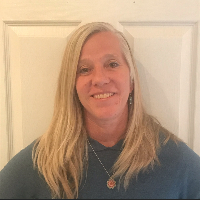
About Kelly
Goodman draws on 17 years as a licensed clinical social worker and three decades in social work overall. Much of her work has been in community mental health, public health, and emergency settings. That background shaped a focus on meeting basic needs first so healing work can follow. She has experience with houseless populations, chronic pain management, and helping people navigate benefits and housing systems.
In clinical practice she blends attachment-based ideas with client-centered conversation and practical tools from cognitive behavioral therapy. Mindfulness and motivational interviewing also inform her approach when useful. Sessions tend to be collaborative and goal-oriented, with attention to how trauma and loss show up in daily life.
She has worked in emergency departments providing mental health and risk assessments and served as an on-call family therapist in an adolescent psychiatric unit. Those roles deepened her skills in crisis response, grief work, and supporting caregivers under strain. She also has experience supporting people affected by cancer and chronic illness.
Kelly’s life includes long personal experience with loss, adoption and foster care, inter-racial family relationships, and caregiving. That lived perspective informs her empathy and her focus on practical steps people can take to feel more grounded.
Areas of expertise
Primary focus
Also works with
Additional focus areas
Therapeutic approaches
Experience
17+ years
Credentials
Oregon
Languages
English
How her approaches translate to online care
Kelly uses attachment-based work to look at how relationships shape feelings and reactions; this helps when grief, abandonment, or trust issues are central. Client-centered therapy means sessions focus on the person's priorities and pace, so conversations follow what matters most right now. Cognitive behavioral therapy offers clear skills to change unhelpful thoughts and behaviors, which can help with anxiety, depression, and coping with life changes.Finding the right approach is a shared process. Kelly will talk with each person about goals, symptoms, and how they prefer to work. Together they decide which techniques to try and adjust them as needed over time.
Session formats are not listed in the biography, so please confirm current online options before booking. Many people find remote sessions helpful because they can fit therapy into a busy day, avoid travel time, or use a shorter check-in when needed. Online work also makes it easier to continue support during medical treatments, caregiving demands, or after a recent loss. Licensed professionals can adapt attachment, client-centered, and CBT tools to an online setting so practical skills and emotion-focused conversations move forward.
Frequently asked questions
What kinds of problems can Kelly help with?
She works with stress, anxiety, grief, depression, bipolar concerns, compassion fatigue, addictions, trauma and related issues. The list also includes caregiving strain, chronic illness, parenting stress, and relationship or intimacy-related struggles.
What is her therapeutic style like?
Her approach combines attachment-based ideas, client-centered listening, and practical exercises from cognitive behavioral therapy. Mindfulness and motivational interviewing are used when they match a person's goals.
How much experience does she bring?
She has worked in social work for about 30 years and has been a licensed clinical social worker for 17 years. That experience includes community mental health, public health, and emergency department work.
Where does she practice and what is her credential?
She holds the LCSW credential and practices in Oregon. The LCSW stands for Licensed Clinical Social Worker.
Which languages are supported?
Sessions are offered in English.
Can people outside the U.S. work with her?
She does not accept international clients at this time.
How are sessions paid for?
Cost varies with location and therapist availability, and sessions use a subscription that can be canceled at any time.
How do I begin working with her?
Select the Start Therapy button, complete the short matching questionnaire, and schedule according to therapist availability.