
Ruth Vanden Bosch
LPCMichigan · 25 yrs exp
Experienced counselor focused on life changes and grief
Stress, Anxiety · LGBT · Relationship · Grief · +10 more
Read profileTherapists in the US, UK and Australia
If you need help nowTherapist listings are provided by BetterHelp. We will earn a commission at no extra cost to you if you use our links to buy.
Browse profiles of therapists who list hospice and end-of-life counseling in Michigan. Compare focus areas, credentials, languages and approaches, then open profiles to contact practitioners and confirm their permission to work in your area.
Michigan · 25 yrs exp
Experienced counselor focused on life changes and grief
Stress, Anxiety · LGBT · Relationship · Grief · +10 more
Read profile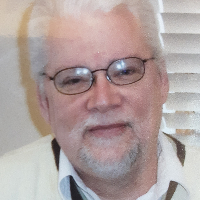
Michigan · 45 yrs exp
Experienced counselor for addiction and grief
Stress, Anxiety · Addictions · Trauma and abuse · Grief · +10 more
Read profile
Michigan · 24 yrs exp
Compassionate guidance for steady progress
Stress, Anxiety · Addictions · Relationship · Family · +1 more
Read profile
Michigan · 26 yrs exp
Compassionate support for life transitions
Stress, Anxiety · Addictions · Relationship · Grief · +14 more
Read profile
Michigan · 15 yrs exp
Compassionate, practical support for life transitions
Stress, Anxiety · LGBT · Relationship · Depression · +16 more
Read profile
Michigan · 40 yrs exp
Experienced LMSW for grief and life changes
Stress, Anxiety · Family · Grief · Self esteem · +16 more
Read profile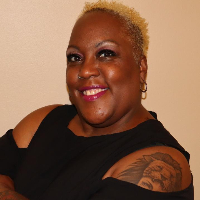
Michigan · 15 yrs exp
Compassionate care for grief and life transitions
Stress, Anxiety · Trauma and abuse · Grief · Depression · +11 more
Read profile
Michigan · 35 yrs exp
Experienced psychologist focused on life transitions
Stress, Anxiety · Relationship · Family · Self esteem · +16 more
Read profile
Michigan · 25 yrs exp
Compassionate, practical support for life transitions
Stress, Anxiety · Anger · Self esteem · Depression · +6 more
Read profile
Michigan · 40 yrs exp
Experienced counselor blending pastoral care and counseling
LGBT · Relationship · Grief · Career · +14 more
Read profile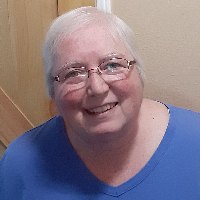
Michigan · 36 yrs exp
Experienced Michigan LMSW for life transitions
Stress, Anxiety · Anger · Self esteem · Career · +11 more
Read profile
Michigan · 7 yrs exp
Supportive therapist for stress and grief
Stress, Anxiety · Family · Trauma and abuse · Parenting · +13 more
Read profile
Michigan · 35 yrs exp
Compassionate support for life transitions
Stress, Anxiety · Addictions · LGBT · Relationship · +11 more
Read profile
Michigan · 8 yrs exp
Hopeful, practical support for life transitions
Stress, Anxiety · Self esteem · Depression · Coping with life changes · +9 more
Read profile
Michigan · 21 yrs exp
Compassionate, practical help for life changes
Stress, Anxiety · Relationship · Self esteem · Depression · +1 more
Read profile
Michigan · 24 yrs exp
Compassionate social worker for life transitions
Stress, Anxiety · Relationship · Family · Parenting · +11 more
Read profile
Michigan · 22 yrs exp
Compassionate counselor for life transitions
Stress, Anxiety · Grief · Anger · Self esteem · +16 more
Read profile
Michigan · 10 yrs exp
Compassionate counselor for life transitions
Stress, Anxiety · Addictions · Relationship · Trauma and abuse · +11 more
Read profile
Michigan · 24 yrs exp
Compassionate social worker for grief and life change
Stress, Anxiety · Addictions · Relationship · Family · +15 more
Read profile
Michigan · 26 yrs exp
Compassionate practical help for life transitions
Stress, Anxiety · Addictions · Family · Depression · +16 more
Read profile
Michigan · 5 yrs exp
Compassionate support for stress and relationships
Stress, Anxiety · Relationship · Family · Self esteem · +1 more
Read profile
Michigan · 9 yrs exp
Calm, practical therapy with relational focus
Stress, Anxiety · Grief · Self esteem · Depression · +12 more
Read profile
Michigan · 25 yrs exp
Calm practical support for life transitions
Stress, Anxiety · Addictions · Grief · Self esteem · +15 more
Read profile
Michigan · 9 yrs exp
Compassionate counseling for life transitions
Stress, Anxiety · Grief · Depression · Coping with life changes · +12 more
Read profileFacing a serious or terminal diagnosis, supporting someone who is ill, or anticipating grief brings a wide range of emotions that can feel overwhelming. You may be managing fear about what will happen, wrestling with questions of meaning, or trying to find the words for what matters most to you or a loved one. Caregiving can add exhaustion, role shifts and complicated practical demands that make it harder to attend to feelings and relationships. Anticipatory grief - the sadness and loss experienced before an actual death - can arrive alongside relief, anger, guilt and numbness. All of these responses are normal reactions to difficult circumstances.
As you look through profiles, you can use them to find practitioners who list end-of-life and hospice counseling among their focus areas. Keep in mind that the presence of that topic on a profile does not guarantee a particular outcome or method. If you are hoping to address specific concerns - for example, saying what matters to a partner, navigating family conversations, or managing the strain of caregiving - look for profiles and descriptions that speak to those issues so you can bring focused questions to an initial conversation.
Profiles grouped under Michigan indicate that the practitioner has chosen a listed location in that state. A listed location is not in itself proof of an office address, ongoing practice permissions, or proximity to your home. When you find a profile that seems like a fit, check the profile details and contact the practitioner to confirm that they are permitted to work with you where you live. This is especially important if you live on state borders or are seeking care across jurisdictions.
Degrees and professional permissions are different things. Academic credentials on profiles may include PhD, PsyD, MD, MA or MSW. These describe a level of education but do not by themselves establish current authorization to practice. In the United States, clinicians often hold a license such as LPC, LCSW, LMFT or clinical psychologist licensure; in the United Kingdom and Australia, clinicians may list registration or membership with a professional body. A degree, registration or membership can mean different things in different countries. Profiles show what a practitioner has chosen to share; ask directly about current authorization to provide care in your jurisdiction.
Also note that therapists listed in this directory are not hospice, palliative or medical providers and do not arrange medical care or services. If you need medical or in-home clinical support, reach out to local health services or hospice teams for those resources and ask a clinician how they coordinate with those services when appropriate.
When you review profiles, think about the approach and language the practitioner uses and prepare concrete questions. Rather than asking if someone is "trained" in a method, you can ask if they "list a particular approach among their methods" and what that means for how they work with people facing serious illness. For example, you might ask how they typically help people who are approaching end of life, what kinds of conversations they prioritize, and how they support family members or carers who are under strain.
Ask about experience with issues that matter to you. You could ask whether they have worked with people who want to plan legacy conversations, address spiritual or existential questions, manage anticipatory grief, or reduce the emotional toll of caregiving. If language or cultural match is important, ask how they incorporate your cultural, faith or community practices into sessions. If you are considering a therapist who lists EMDR among their approaches, or any other modality, ask how they decide whether to use that approach and how it has been applied in end-of-life contexts in their practice. Concrete examples of past work - without expecting outcomes - can help you assess fit.
If you are considering remote sessions, there are practical matters to cover so you know how care will work for you. Discuss whether the practitioner has permission to provide care to people in your state or country and how they handle emergencies or crisis situations when you are not in the same location. Ask how they record contact information for local emergency services or a designated support person, and what steps they take if you need urgent help. It is appropriate to ask about session length, how they typically structure time with someone facing serious illness, and how they coordinate with any medical or hospice teams with your consent.
Talk about the environment in which you will meet. If you plan to join from home or another location, consider what will help you feel comfortable and safe during a conversation about difficult topics. Clarify boundaries around documentation and record keeping, and ask how decisions are made about sharing information with other providers or family members. These are practical questions that help you understand the working arrangement before you commit to a first session. Remember that the therapist cannot provide medical care remotely or arrange clinical services; their role is to provide emotional, relational and psychosocial support within the limits of their practice.
Profiles offer several points of comparison that can help you narrow options. Focus areas describe the issues a practitioner lists as central to their work - for example hospice, bereavement, caregiving strain, or meaning-centered conversations. Look for language that aligns with what you want to address and prepare questions that ask how they tailor support for your specific priorities. Languages listed on a profile indicate the languages in which the therapist communicates; if you prefer a particular language, use that as a selection criterion and confirm language fluency during your outreach.
Consider both academic degrees and professional permissions when comparing profiles. A PhD or MD describes education. Licenses, registrations or memberships indicate professional oversight in a jurisdiction and different terms are used across the United States, the United Kingdom and Australia. If it matters to you, ask how the practitioner’s education and professional authorization shape their day-to-day practice. Also think about style - some practitioners describe a directive, skills-based approach while others emphasize narrative, meaning-making or reflective dialogue. Profiles may mention approaches; the precise use of any approach is something to clarify directly with the practitioner. Finally, remember that a listed topic does not establish that a therapist treats children, couples or families. If your needs involve multiple people, discuss scope and willingness to work with family systems when you contact a profile.
When you reach out, bring the concrete questions that matter most to you. Confirm the listed location and permission to work where you live, ask how the practitioner approaches issues you care about, and describe any cultural, language or practical needs you have. Taking these steps will help you use the profiles on GentleChapters.org to find practitioners in Michigan whose focus and manner align with what you are seeking at this difficult time.
Anger
2235 therapists
Cancer
1633 therapists
Chronic Illness
1691 therapists
Depression
3298 therapists
Grief
3217 therapists
Guilt and Shame
2925 therapists
HIV / AIDS
718 therapists
Isolation / Loneliness
2839 therapists
Midlife Crisis
2269 therapists
Mood Disorders
2120 therapists
Panic Disorder and Panic Attacks
2085 therapists
Post-Traumatic Stress
2415 therapists
Self Esteem
3188 therapists
Sleeping Disorders
1227 therapists
Stress & Anxiety
3562 therapists
Trauma and Abuse
2900 therapists
Abandonment
2126 therapists
Aging and Geriatric Issues
2474 therapists
Attachment Issues
2091 therapists
Caregiver Issues and Stress
2778 therapists
Communication Problems
2933 therapists
Compassion Fatigue
2214 therapists
Coping with Life Changes
3155 therapists
Family
2658 therapists
Family of Origin Issues
1836 therapists
Forgiveness
2786 therapists
Hospice and End-of-Life Counseling
3798 therapists
Life Purpose
2982 therapists
Money and Financial Issues
1440 therapists
Parenting
2187 therapists
Relationship
3059 therapists
Workplace Issues
2458 therapists
This directory is not a crisis line, a hospice or an emergency service. If someone is in danger, or a medical situation is getting worse, call the emergency number or the care team looking after them.