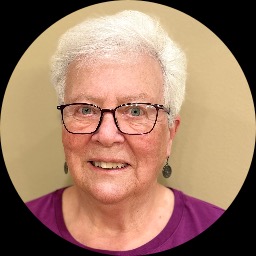
- 35 years experience
- Hospice and end-of-life
- Mindfulness and ACT
About Virginia
Her approach is straightforward and practical. She listens first and asks what matters most to each person. Then she uses tools from cognitive behavioral therapy and acceptance and commitment therapy to help people notice unhelpful patterns and try different responses. Mindfulness and solution-focused techniques are used to build small, realistic steps toward change.
Vary has worked with people facing LGBT-related concerns, grief and loss, and trauma. She also supports people managing chronic illness, cancer, aging issues, and hospice and end-of-life counseling questions. Her background includes helping those with substance use concerns, ADHD, sleep and eating difficulties, and first responder stress.
Sessions are meant to be collaborative. She helps individuals set goals and practices they can use between meetings. Conversations focus on what you can do next, not on blaming the past.
Her style is warm and practical, aimed at everyday life. She encourages small changes that add up over time. If you want straightforward support for coping and moving forward, she can be a steady guide.
Areas of expertise
Primary focus
Also works with
Additional focus areas
Therapeutic approaches
Experience
35+ years
Credentials
Michigan
Languages
English
Therapeutic approaches in online care
Acceptance and Commitment Therapy helps people notice difficult thoughts and feelings without getting stuck in them, then commit to actions that reflect their values. It can be useful for anxiety, depression, and coping with chronic illness or life changes.Client-Centered Therapy focuses on listening and responding with empathy so people feel heard and understood. This approach is helpful when someone needs a steady space to process grief, trauma, gender or LGBT-related concerns, or complicated emotions.
Finding the right approach is part of the work. The therapist will collaborate with each person to pick methods that match their goals, needs, and preferences. That choice can change over time as progress is made.
If you are considering online therapy, confirm the session formats before booking since they were not specified in the biography. Online sessions can make it easier to fit therapy into a busy life, allow for shorter or more frequent check-ins when helpful, and remove commuting time so people can schedule meetings between errands or work tasks. Therapists who offer remote care often help clients adapt tools like mindfulness exercises and behavioral experiments to everyday routines.
Frequently asked questions
What concerns does this therapist address?
She works with stress, anxiety, depression, grief, trauma, addictions, LGBT-related concerns, relationship and family issues, parenting, self-esteem, ADHD, and coping with life changes.
How would you describe the therapy style and approach?
The style is practical and client-centered, focusing on listening first and then using plain tools from cognitive behavioral therapy, acceptance and commitment therapy, mindfulness, and solution-focused work.
What kind of experience does the therapist have?
She has 35 years of professional counseling experience working with adults on issues such as grief, trauma, LGBT concerns, chronic illness, and substance use.
What credentials and location are listed?
She holds an LMSW, which is a Licensed Master Social Worker credential, and practices in Michigan.
Are sessions available in other languages or internationally?
Sessions are offered in English. She is not accepting international clients at this time.
What session formats are offered?
Session formats were not specified in the biography; please confirm the current session options before booking.
How does payment or cost work?
Cost varies with location and therapist availability; sessions use a subscription that can be canceled at any time.
How do I get started if I want to work with this therapist?
Use the Start Therapy button, complete a short matching questionnaire, and then schedule according to the therapist's availability.