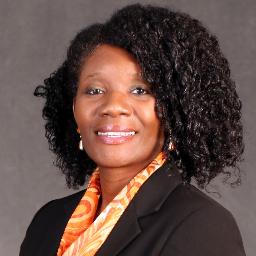
- Direct and compassionate
- Focus on relationships
- Evidenced approaches
About Valerie
She pays attention to how past relationships shape present behavior and how attachment wounds can show up in everyday life. Sessions aim to increase awareness of stuck patterns and identify realistic changes people can try between meetings.
Dr. McGaha also works with people facing serious medical or life transitions, including cancer and end-of-life issues, and with those affected by substance use. She describes treatment as collaborative - she listens, offers tools, and helps clients try different ways to cope.
The work often includes building self-compassion, improving communication, and strengthening decision making. Techniques draw on evidence-informed approaches to address mood, trauma, and addictive behaviors.
Her practice includes attention to safety concerns such as suicidal thoughts, and she brings experience in prevention, intervention, and postvention. People who want straightforward, steady support through grief, life change, or recovery may find her style a good fit.
Areas of expertise
Primary focus
Additional focus areas
Therapeutic approaches
Experience
21+ years
Credentials
Oklahoma
Languages
English
How therapeutic approaches guide online care
Acceptance and Commitment Therapy (ACT) helps people notice unhelpful thoughts and choose actions that match their values. It is often useful for anxiety, depression, and motivation issues. Cognitive Behavioral Therapy (CBT) focuses on identifying thought and behavior patterns that keep problems going and teaching concrete skills to shift them. It is commonly used for mood and anxiety concerns. Attachment-Based Therapy looks at how early relationships influence current bonds and communication, and it helps people change repeated relationship patterns.Picking the right approach is a shared process. The therapist will listen to your goals and try methods that fit your needs and preferences. Together you can adjust the plan as progress is made or new challenges arise.
Session formats are not listed in Dr. McGaha's biography, so please confirm current options before booking. Online therapy can make it easier to fit sessions into a busy life, shorten check-ins, reduce travel time, or avoid being on camera when that feels better. Many people find that remote sessions let them maintain routines while still getting steady, professional support from licensed professionals and therapists.
Frequently asked questions
What concerns does she address?
She helps people with stress, anxiety, depression, addictions, relationship and family problems, and related issues such as abandonment, attachment problems, and communication difficulties.
What is her therapy style like?
Her style is collaborative and straightforward, focusing on awareness, practical tools, and steps people can try between sessions.
How much experience does she have?
She has 21 years of clinical experience working with mood concerns, trauma, addiction, and life transitions.
What credential does she hold and where is she located?
She is an LPC and practices in Oklahoma.
Which languages are supported?
Sessions are offered in English.
Can people outside the United States work with her?
International clients are not currently accepted.
How are fees and payments handled?
Cost varies with location and therapist availability; sessions use a subscription that can be canceled at any time.
How do I begin if I want to work with her?
Choose the Start Therapy button, complete a short matching questionnaire, and schedule sessions according to therapist availability.