- Grief and loss
- Stress and anxiety
- Goal focused
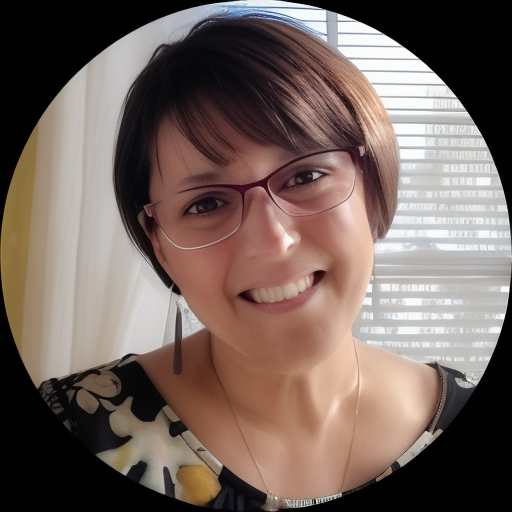
About Tracey
She uses short-term goal setting alongside deeper exploration to meet immediate needs and longer-term growth. Cognitive tools help people spot and shift unhelpful thinking. Mindfulness practices are offered to ease tension and improve focus. Tracey also draws on psychodynamic ideas to look at patterns that repeat over time.
The approach is collaborative and adapted to each person. Sessions focus on what matters right now and on steps that are doable between meetings. She helps people build coping skills, manage symptoms, and make concrete changes in relationships and routines.
Tracey’s work includes supporting people facing aging and geriatric concerns, hospice and end-of-life counseling, and caregiver stress. She also addresses issues tied to attachment, abandonment, family of origin, and forgiveness. Clients with intellectual disability, autism or chronic health conditions are within her scope of focus.
Tracey holds North Carolina licensure as a Licensed Clinical Social Worker - LCSW and also holds SC LISW-CP. She conducts sessions in English and asks new clients to complete a brief matching questionnaire before scheduling.
Areas of expertise
Primary focus
Additional focus areas
Experience
15+ years
Credentials
North Carolina, South Carolina
Languages
English
How evidence-based techniques translate to online care
Tracey uses evidence-based approaches that focus on clear skills and practical steps. Cognitive behavioral techniques teach people to spot unhelpful thoughts and try different responses, which can reduce stress and improve mood. Solution-focused methods concentrate on setting small, achievable goals to create visible progress in daily life.She also uses mindfulness exercises to help clients notice the present moment and reduce reactivity. These practices can be brief and are easy to weave into regular routines, making them suitable for remote work. Finding the right mix of techniques is collaborative; Tracey will work together with each person to decide which methods match their goals and preferences.
Session formats are not specified in the provided biography, so please confirm current options before booking. Online work can make it easier to fit sessions into a busy schedule, allow shorter check-ins when needed, and reduce travel time. Many people find remote sessions helpful for maintaining continuity during life transitions, managing caregiver duties, or when mobility is limited.
Frequently asked questions
What kinds of concerns does she help with?
She supports people dealing with stress, anxiety, grief, depression, coping with life changes, and ADHD, plus related issues like caregiver stress and chronic illness.
How would you describe her therapeutic style?
Her style is collaborative and practical, combining short-term goal work with deeper exploration to address immediate problems and long-term patterns.
What is her clinical background?
She has 15 years of experience working across clinical settings and focuses on evidence-based and integrative techniques to meet client needs.
What credentials and region are listed?
She holds LCSW and LISW-CP credentials and practices in North Carolina with licensure noted as NC LCSW and SC LISW-CP.
Which languages are supported for sessions?
Sessions are offered in English.
Can clients outside the country work with her?
International clients are not currently accepted.
How are fees and billing handled?
Cost varies with location and therapist availability; sessions use a subscription that can be canceled at any time.
What steps are required to begin therapy?
Click the Start Therapy button, complete a short matching questionnaire, and then schedule sessions according to the therapist's availability.