- Grief and loss
- Trauma recovery
- Mood and anxiety
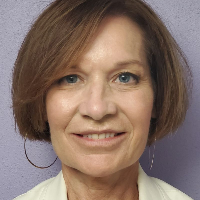
About Toni
She helps people who are dealing with anxiety, depression, mood instability, and trauma. She also supports those coping with relationship and intimacy concerns, career stress, and compassion fatigue. Her background includes work in outpatient clinics, county mental health services, and integrated care programs across both urban and rural Wisconsin.
In sessions she draws on approaches such as cognitive behavioral therapy, narrative therapy, dialectical behavior therapy, mindfulness, and client-centered work. She adapts techniques to what feels most useful for each person rather than following a single formula. Conversations focus on current problems and on small, achievable changes that reduce distress.
She has experience supporting people affected by persistent mental illness and has worked with those impacted by domestic violence, abandonment, and caregiver strain. She also offers help around aging and geriatric concerns, cancer-related stress, and blended family challenges.
People who meet with her can expect straightforward language and a steady focus on practical coping skills. She invites people to explore how past events shaped their view of themselves and to take gradual steps toward clearer days. To begin, visitors are encouraged to use the site process to match and schedule sessions.
Areas of expertise
Primary focus
Also works with
Additional focus areas
Therapeutic approaches
Experience
23+ years
Credentials
Wisconsin
Languages
English
How therapy approaches translate to online care
Client-centered work focuses on listening and responding to what matters most to the person. Online sessions can use that same approach by letting the client set priorities and the therapist follow their lead. Cognitive behavioral therapy (CBT) offers clear tools for changing unhelpful thoughts and behaviors, often using worksheets, practice tasks, and short check-ins that move well to a virtual format. Dialectical behavior therapy (DBT) teaches skills in emotion regulation, distress tolerance, and interpersonal effectiveness that can be practiced between sessions and reviewed during remote meetings.Finding the right approach is part of the work together. The therapist will help you decide which methods match your goals, needs, and preferences. That choice is collaborative and may shift as progress is made.
The practical benefits of online therapy include easier fitting of sessions into a busy schedule and options that can reduce travel time. Some formats are better suited for quick progress checks or homework review, while others work well for longer, in-depth conversations; please confirm the current session options before booking. Online meetings can make it simpler to continue regular sessions during life transitions and to maintain momentum in therapy.
Frequently asked questions
What kinds of problems does she help with?
She works with people facing stress, anxiety, depression, grief, trauma, relationship and intimacy issues, and compassion fatigue. Additional focuses include caregiver stress, aging concerns, cancer-related stress, and blended family challenges.
What is her general therapy style like?
Her style is client-centered and practical, using clear language and step-by-step coping skills. She blends approaches such as cognitive behavioral therapy, narrative work, dialectical behavior therapy, and mindfulness to match each person's needs.
How long has she been practicing?
She has 23 years of experience working in a range of settings including outpatient clinics, county mental health services, and integrated care programs across Wisconsin.
What are her credentials and location?
She practices as a Wisconsin psychologist with the credential WI Psychologist 2785-057 and is based in Wisconsin.
Can sessions be conducted in other languages or internationally?
Sessions are offered in English. International clients are not currently accepted.
What session formats are offered?
Please confirm current session options before booking as the biography does not specify formats. Check the scheduling flow to see which formats are available at the time you sign up.
How does payment work and what does it cost?
Cost varies with location and therapist availability, and sessions use a subscription that can be canceled at any time. Exact pricing is provided through the platform during sign-up.
How do I begin if I want to work together?
Use the Start Therapy button, complete a short matching questionnaire, and schedule according to therapist availability. This starts the process of matching you with the right professional.