- Compassionate listener
- Practical coping tools
- 20 years experience
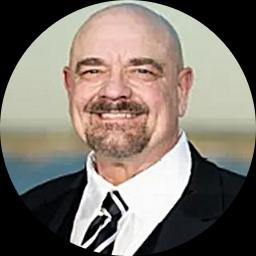
About Thomas
Thomas works in a straightforward, respectful way. He listens first and adapts conversation and plans to each person's needs. He aims to empower people to make changes that fit their life. He often combines talking therapies with practical tools to manage emotions and behavior.
With 20 years of experience as an LPC, Thomas draws on several clinical styles rather than one fixed method. He uses client-centered approaches to follow what matters most to the person in the room. He also uses cognitive behavioral techniques to shift unhelpful thoughts and behaviors, and existential ideas to address meaning and life choices.
Thomas has worked with people facing chronic illness, caregiving strain, and compassion fatigue. He lists additional focuses such as attachment and abandonment issues, first responder stress, fatherhood concerns, and bereavement-related work. He says he tailors the dialog and treatment plan to each person’s unique situation.
He describes therapy as a team effort that starts with small steps. Thomas emphasizes respect, sensitivity, and compassion while helping people build coping skills, clarity, and a clearer path forward.
Areas of expertise
Primary focus
Also works with
Additional focus areas
Therapeutic approaches
Experience
20+ years
Credentials
Texas
Languages
English
How therapeutic approaches guide online work
Client-Centered Therapy focuses on listening and following the person's concerns. It emphasizes empathy and respect and helps people feel heard while they sort out what they want to change. Cognitive Behavioral Therapy (CBT) looks at how thoughts, feelings, and actions connect; it gives concrete exercises to reduce anxiety, manage mood, and change habits. Existential Therapy helps people consider meaning, choice, and values when facing big life questions or hard transitions.Finding the right approach is part of the work. The therapist will collaborate with each person to identify which methods fit their goals and preferences. That may mean trying different techniques in early sessions and adjusting the plan based on what helps most.
Confirm current session options before booking, since formats are not listed in the biography. Online therapy can make it easier to fit appointments into a busy week, allow shorter check-ins when needed, and reduce travel time. It can also let people use sessions while managing caregiving or health-related demands. Licensed professionals can adapt interventions like CBT exercises, values work, and supportive listening to an online setting, helping people move toward clearer coping and decision-making without needing long trips to an office.
Frequently asked questions
What issues does Thomas help with?
He works with stress, anxiety, addictions, grief, depression, bipolar concerns, and many life changes. He also lists parenting, intimacy, eating and sleeping problems, and hospice and end-of-life counseling among his focus areas.
How would you describe his therapeutic style?
He uses a respectful, client-centered approach that follows what matters most to each person. He combines listening with practical tools aimed at changing thoughts and behaviors.
What background and experience does he have?
He has 20 years of professional experience in counseling and has worked with people facing chronic illness, caregiving strain, and compassion fatigue. He tailors treatment plans to individual needs.
What credentials and region are listed?
He is an LPC, a Licensed Professional Counselor, practicing in Texas.
Which languages are supported for sessions?
Sessions are offered in English.
Can I work with him from outside the United States?
He does not accept international clients at this time.
How do sessions and payment work?
Cost varies with location and therapist availability, and sessions use a subscription that can be canceled at any time.
What are the first steps to begin?
Select the Start Therapy button, complete a short matching questionnaire, and schedule according to therapist availability.