- Grief and loss
- Addiction support
- Identity and sexuality
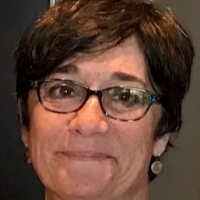
About Suzanne
She focuses on helping people build self-compassion and resilience. Sessions often address depression, trauma, relationship and intimacy concerns, and issues related to identity and sexuality. Suzanne also supports people dealing with caregiver strain, aging and geriatric concerns, and end-of-life questions connected to hospice and end-of-life counseling.
Her work blends practical tools and empathic listening. Cognitive Behavioral Therapy techniques are used to spot unhelpful thinking and try small changes. Motivational Interviewing helps people find their own reasons to change when dealing with addictions or difficult habits.
Suzanne tailors the pace and focus to each person. She helps with parenting stress, career crossroads, midlife shifts, and feelings of isolation or shame. The aim is steady progress through concrete steps and honest conversation.
People who choose Suzanne will find attention to life context and concrete coping strategies. She supports clients through trauma-focused work when needed and uses solution-focused tools to set reachable goals. Her practice emphasizes collaboration, dignity, and practical next steps.
Areas of expertise
Primary focus
Also works with
Additional focus areas
Therapeutic approaches
Experience
21+ years
Credentials
Texas
Languages
English
How Suzanne’s approaches translate to online care
Client-Centered Therapy focuses on listening with empathy and following the person’s lead to build trust and self-awareness. Online sessions can still center on this kind of open conversation, with the therapist responding to what matters most to the client in each meeting.Cognitive Behavioral Therapy (CBT) helps people notice unhelpful thoughts and try small behavioral experiments to change mood or habits. In remote sessions this often looks like setting brief between-session tasks, reviewing progress, and practicing new ways of thinking together.
Motivational Interviewing is a conversational method that helps people clarify their own reasons to change. It can be useful for addiction, habit change, or deciding on next steps, and it adapts well to talk-based online sessions.
Finding the right approach is part of the work. The therapist will talk with the client about goals, preferences, and life context, then recommend methods to try. That plan can be tested and adjusted together over time in a collaborative way.
Session formats are not specified in the biography, so confirm available options before booking. Online therapy can make it easier to fit sessions into a busy week, allow shorter check-ins when needed, and reduce travel time. People often find it helpful for keeping momentum between appointments while still working on concrete skills and coping strategies.
Frequently asked questions
What kinds of concerns does Suzanne address?
She helps with stress, anxiety, depression, trauma, addictions, and grief, along with relationship and intimacy-related issues. Additional focuses include caregiver stress, aging issues, and hospice and end-of-life counseling.
How would you describe her therapy style?
Her style is client-centered and collaborative, combining listening with practical tools. Techniques from Cognitive Behavioral Therapy and Motivational Interviewing may be used to set goals and try small changes.
What is her professional background?
She has 21 years of clinical experience working with adults on mood disorders, trauma, addiction, identity, and life transitions.
Where is she licensed and based?
She is a Licensed Professional Counselor holding the LPC credential and practices in Texas.
Which languages are sessions offered in?
Sessions are offered in English.
Are international clients accepted?
She does not accept international clients at this time.
How are fees and payments handled?
Cost varies with location and therapist availability; sessions use a subscription that can be canceled at any time.
What are the steps to begin working together?
Click the Start Therapy button, complete a short matching questionnaire, and then schedule according to therapist availability.