- Trauma-informed care
- Goal-focused sessions
- Support for grief
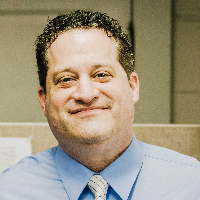
About Shlomo
He listens carefully and works to build trust in the room. Sessions focus on clear goals and practical steps people can try between visits. He uses approaches that center the client’s experience and teach tools for managing stress, mood, and difficult memories.
Shlomo has worked in community treatment programs and addiction services, including co-occurring disorders. He has also spent years in trauma-focused settings supporting people processing painful events and loss. His background includes work with relationship conflict and caregiving stress as well as clients facing chronic illness or major life transitions.
His clinical style blends techniques from cognitive behavioral therapy and mindfulness with client-centered listening. He also applies EMDR for people who want a structured way to work with traumatic memories. Treatment plans are shaped around each person’s needs and goals.
He was raised by first generation survivors of Nazi Germany, and that family history informs his commitment to compassionate care and community service. He encourages open conversation about stigma, coping, and the small changes that help daily life feel more manageable.
Areas of expertise
Primary focus
Also works with
Additional focus areas
Therapeutic approaches
Experience
12+ years
Credentials
Florida, Texas
Languages
English
How therapy approaches translate to online care
Client-centered therapy focuses on listening and reflecting back what matters to the client. It helps people feel heard and clarifies what they want to change. Cognitive Behavioral Therapy, or CBT, looks at the links between thoughts, feelings, and behavior and teaches practical skills to reduce anxiety, depression, and unhelpful patterns.Finding the right approach is a collaborative process. The therapist will work with each person to decide which methods fit their goals and preferences. That might mean trying CBT techniques for mood and behavior, using mindfulness skills to manage stress, or applying EMDR-style processing if trauma memories are a main concern.
The original biography does not list which online session formats are offered, so confirm current options before booking. Many people appreciate online therapy because it can fit more easily into a busy day, allow shorter check-ins when needed, and reduce travel time. Online work can make it simpler to continue care while juggling caregiving, work, or medical appointments, and the therapist will discuss which session rhythm and format best suit each person’s situation.
Frequently asked questions
What kinds of concerns does this therapist help with?
Shlomo supports people facing grief, trauma, anxiety, depression, addictions, relationship and family concerns, caregiver stress, body image, eating and sleeping problems, and coping with life changes.
How would you describe the therapy style used?
He combines client-centered listening with practical techniques. Sessions focus on clear goals, coping skills, and working through difficult memories at a pace the person is comfortable with.
What is his professional background?
He has over 12 years of experience in the mental health field and has worked in community treatment, addiction services, and trauma-focused settings supporting a range of clinical issues.
What credentials and location are listed?
He is a Licensed Marriage and Family Therapist with licenses in Florida and Texas and practices in Florida.
Which languages are sessions offered in?
Sessions are offered in English.
What session formats are available?
The original biography does not specify session formats; please confirm current session options before scheduling.
How is cost handled for sessions?
Cost varies with location and therapist availability, and sessions use a subscription that can be canceled at any time.
How do I begin therapy with this clinician?
Select the Start Therapy button, complete the short matching questionnaire, and schedule according to the therapist's availability.