- Integrative approach
- Focus on skills
- Hospice and end-of-life
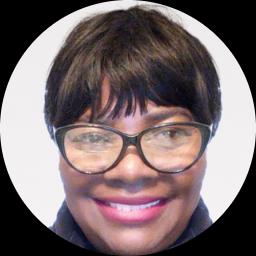
About Shirley
Shirley uses an integrative approach that draws on cognitive-behavioral ideas, client-centered conversation, and dialectical behavior strategies to shape each person’s plan. In sessions she helps identify and reframe unhelpful thoughts, encourages self-reflection, and teaches concrete coping skills. Examples include mindfulness practices for concentration, structured goal-setting for motivation, and skill-building exercises to boost confidence.
People can expect a calm, nonjudgmental atmosphere where the therapist listens first and adapts interventions to individual needs. Shirley avoids labeling and instead clarifies goals together so work stays focused and relevant. She aims for short-term actions that make daily life easier as well as longer-term changes when those are needed.
With ten years of clinical experience, Shirley brings steady support for both sudden crises and ongoing stressors. Her Nevada LCSW credential is part of her background and practice in the region. Sessions are conducted in English and she is not accepting international clients at this time.
To begin, prospective clients follow the site’s Start Therapy process and complete a brief matching questionnaire. Scheduling then proceeds according to the therapist’s availability and the subscription terms used for sessions.
Areas of expertise
Primary focus
Additional focus areas
Experience
10+ years
Credentials
Nevada
Languages
English
How Shirley Uses Evidence-Based Tools Online
Shirley draws on cognitive-behavioral techniques to help people notice and change unhelpful thinking patterns, which can ease anxiety, depression, and concentration problems. She also uses client-centered conversation to encourage self-reflection and personal goals, letting the person lead while the therapist listens and guides. Dialectical behavior strategies are applied to teach practical coping skills such as distress tolerance, emotion regulation, and mindfulness exercises that can be practiced between sessions.Deciding which approach to use is a collaborative process. Shirley works with each person to match techniques to their goals, needs, and preferences. She adapts tools over time so the work stays relevant and manageable, checking in about what helps and what doesn't.
The site’s biography does not list specific session formats, so confirm current options before booking. Online therapy can make it easier to fit appointments into a busy life by removing travel time and allowing sessions during breaks or evenings. It can also let people practice skills in the context of daily routines and maintain continuity of care when schedules change.
Frequently asked questions
What concerns does Shirley help with?
She supports stress, anxiety, depression, ADHD, trauma and abuse, and related issues like low self-esteem, caregiver strain, isolation, and hospice and end-of-life counseling.
How does she approach therapy?
Her style is integrative and practical. She combines cognitive-behavioral techniques, client-centered conversation, and dialectical behavior strategies to fit each person’s needs.
What is her clinical background?
She has ten years of experience working with people on stress, focus, trauma recovery, and emotional regulation.
What credentials and location are listed?
She holds an LCSW (Licensed Clinical Social Worker) in Nevada and practices in that state.
Which languages are supported for sessions?
Sessions are offered in English only.
Can international clients work with her?
International clients are not currently accepted.
How does billing and cost work?
Costs vary with location and therapist availability; sessions use a subscription model that can be canceled at any time.
How do I get started with sessions?
Use the Start Therapy button, complete a short matching questionnaire, and then schedule according to the therapist’s availability.