- Compassionate listening
- Practical strategies
- End of life concerns
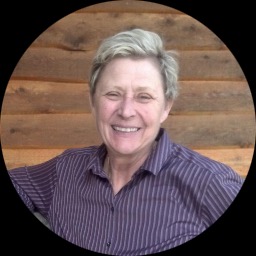
About Shirley
In sessions she listens first and adapts the work to each person's needs. She draws on client-centered methods to follow what matters most to the individual. Cognitive Behavioral Therapy is used to identify unhelpful thinking patterns and try small behavioral changes that can reduce distress.
Shirley also incorporates Dialectical Behavior Therapy skills to teach emotion regulation, managing intense feelings, and improving interpersonal effectiveness. Mindfulness practices are woven into the work to help people slow down and notice their present experience without judgment.
Her background includes supporting people through grief, chronic illness, caregiver stress, and end-of-life concerns. She works with anxiety, trauma and abuse, relationship struggles, depression, bipolar mood concerns, and issues related to gender and identity.
Shirley invites people to take the first step and will tailor conversation and plans to fit each person. Her approach is practical and grounded, focused on clear strategies alongside empathic listening. If you want someone who listens and helps you try concrete changes, she may be a good match.
Areas of expertise
Also works with
Additional focus areas
Therapeutic approaches
Experience
18+ years
Credentials
Montana
Languages
English
How Shirley Uses Evidence-Based Approaches Online
Client-Centered Therapy focuses on following the person's priorities and building a trusting working relationship. The therapist listens carefully and tailors conversations and goals to what matters most to the client, which helps when navigating grief or major life transitions.Cognitive Behavioral Therapy (CBT) looks at the links between thoughts, feelings, and behaviors. It is practical and task-focused, useful for anxiety, depression, and changing unhelpful thinking patterns through small experiments and new habits.
Dialectical Behavior Therapy (DBT) offers skills for regulating intense emotions, managing stress, and improving communication. These skills can be helpful for overwhelming anger, relationship problems, or strong mood swings.
Finding the right approach is part of the process and Shirley will work collaboratively to decide what fits your needs and goals. She uses feedback from sessions to adjust the plan and will help you try techniques to see what helps most.
The original biography does not list which online formats are offered, so please confirm the available session options before booking. Online work can make it easier to fit therapy into a busy life, allow shorter check-ins when needed, and reduce travel time. Licensed professionals often use focused homework, breathing and mindfulness exercises, and skill practice between meetings to support lasting change.
Frequently asked questions
What concerns does Shirley commonly help with?
She works with stress, anxiety, trauma and abuse, grief, depression, bipolar mood concerns, relationship and communication problems, and self-esteem issues.
What is her general therapy style?
She uses a client-centered style that adapts to each person's needs and combines practical strategies from CBT and skills from DBT.
How much experience does she have?
She has 18 years of professional work experience as a clinician in Montana.
What are her credentials and location?
She is an LCSW licensed in Montana and practices with clients in that state.
Which languages are supported and can international clients work with her?
Sessions are offered in English and she is not currently accepting international clients.
What session formats are available?
The original biography does not list specific session formats; please confirm current session options before booking.
How are costs structured?
Cost varies with location and therapist availability and sessions use a subscription that can be canceled at any time.
How do I begin working with Shirley?
Use the Start Therapy button, complete a short matching questionnaire, and schedule according to therapist availability.