- Client-centred focus
- Solution-focused steps
- BACP registered
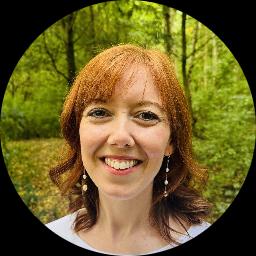
About Sarah
She trained to master-level in Clinical Counselling and is a Registered Member of the British Association for Counselling and Psychotherapy, which she holds alongside three years of practice. Her work includes helping people with grief and bereavement, including suicide bereavement, as well as long-term illness, cancer-related concerns, chronic pain, and caregiver stress.
Sarah works from a client-centred perspective, giving people space to tell their story without judgement. She also draws on solution-focused methods to set small, achievable steps when clients want change sooner. Sessions typically blend listening with short-term practical goals to ease daily strain.
She supports people dealing with anxiety, depression, trauma, addictions, relationship and intimacy issues, and struggles with self-esteem and body image. Sarah also offers support around attachment and abandonment issues, autism spectrum concerns, and the emotional impacts of redundancy and other life events.
Her approach is down-to-earth and collaborative. She helps people weigh options, try out new ways of coping, and notice what works. To start, someone completes a short matching questionnaire and then schedules sessions according to the therapist's availability.
Areas of expertise
Primary focus
Also works with
Additional focus areas
Therapeutic approaches
Experience
3+ years
Credentials
BACP · United Kingdom
Languages
English
How client-centred and solution-focused work translates online
Client-Centred Therapy focuses on listening and acceptance. The counsellor reflects what the client says and helps them feel heard, which can be especially helpful for grief and loss. Solution-Focused Therapy means setting small, practical goals to make everyday life easier and testing simple changes between sessions.Choosing the right approach is part of the work together. The therapist will talk through goals and preferences and suggest whether more listening, more short-term planning, or a mix would suit best. This is a collaborative conversation and can change as needs change.
Please confirm the current session options before booking, as formats are not specified here. Online sessions can make it easier to fit counselling into a busy week, reduce travel time, and allow a calm check-in during a lunch break or quieter afternoon. They can also let someone connect when local services are limited, while keeping the same practical, goal-focused methods used in face-to-face work.
Frequently asked questions
What kinds of problems does this counsellor help with?
Sarah works with grief, bereavement and end-of-life concerns alongside anxiety, depression, trauma, addictions and relationship difficulties.
How would you describe the therapeutic style used?
Her practice is mainly client-centred, offering open listening and acceptance, paired with solution-focused work to identify small, practical steps forward.
What background and experience does she have?
She holds a master's degree in Clinical Counselling and has three years of practice experience supporting people through loss and health-related stress.
What professional credentials and location apply?
She is a Registered Member of the British Association for Counselling and Psychotherapy (BACP) and works from the United Kingdom.
Which languages are supported for sessions?
Sessions are offered in English.
Can people outside the UK work with this counsellor?
International clients are not currently accepted; sessions are offered to people within the United Kingdom.
How are fees and payments handled?
Costs vary with location and therapist availability; sessions use a subscription model that can be cancelled at any time.
What is the first step to begin working together?
Start by selecting the Start Therapy button, complete a short matching questionnaire, and then schedule sessions according to the therapist's availability.