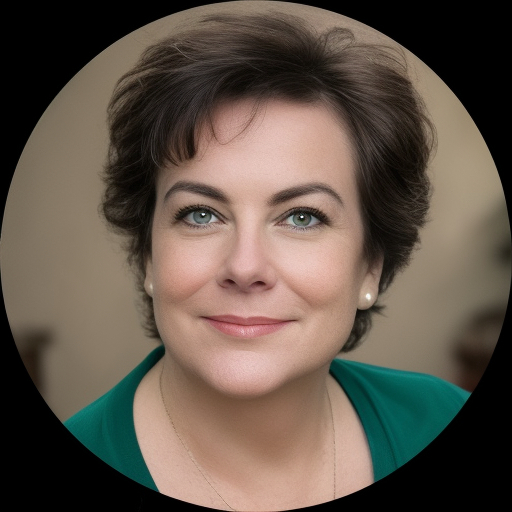
- 35 years experience
- Spiritual counseling available
- Attachment and CBT approaches
About Sarah
Her work focuses on creating a calm, open space where clients can talk without judgment. Sessions are aimed at finding strengths, building coping skills, and setting practical steps toward daily changes. She values clear communication and works at a pace each person finds comfortable.
Sarah draws on a mix of approaches to match what each person needs. That can include exploring attachment patterns, using client-centered conversations, and applying cognitive-behavioral ideas to reshape unhelpful thoughts. She also uses techniques from dialectical behavior therapy and motivational interviewing when those fit the situation.
Many people seek her help for caregiving stress, aging and geriatric issues, cancer-related concerns, fertility and fatherhood questions, blended family or family-of-origin problems, and separation or divorce. She helps individuals navigate major life changes and coping after natural or human-caused disasters.
Sarah aims to empower clients to notice patterns, try new behaviors, and practice small, sustainable changes. She supports people working through intimacy-related issues, codependency, communication problems, and feelings of emptiness. To begin, use the platform Start Therapy button and complete the matching questionnaire to schedule according to availability.
Areas of expertise
Primary focus
Also works with
Additional focus areas
Therapeutic approaches
Experience
35+ years
Credentials
North Carolina
Languages
English
Therapeutic approaches and how they translate to online work
Sarah often uses attachment-based work to help people understand patterns in close relationships and how past bonds affect current feelings and reactions. This approach helps when trust, abandonment, or attachment issues make relationships painful or confusing.She also draws on client-centered therapy, which centers on empathic listening and supporting a person's own goals. That approach is useful when someone needs a calm space to sort through feelings and decide next steps.
She uses cognitive behavioral therapy to spot and change unhelpful thoughts and behaviors. CBT can be good for anxiety, depression, and habitual responses that get in the way of daily functioning.
Choosing an approach is collaborative. The therapist will talk with each person about goals, preferences, and what feels most helpful. Together they can try methods and adjust as needed until a good fit is found.
For practical matters, confirm the session formats offered before booking. Online work can make it easier to fit sessions into a busy life, lower travel time, and allow shorter check-ins when schedules are tight. Licensed professionals can use these conveniences to support consistent progress while tailoring pace and techniques to each person's situation.
Frequently asked questions
What concerns does Sarah commonly address?
She works with stress, anxiety, depression, relationship and intimacy issues, trauma and abuse, addictions, self-esteem, motivation, and a wide range of family and life-change concerns.
How would you describe the therapeutic style?
Sarah uses a warm, nonjudgmental, and pragmatic style. She focuses on strengths, practical coping skills, and clear communication.
What is her professional background?
She has 35 years of experience as a licensed clinical social worker helping people with mental health and life transitions.
Where is she based and licensed?
She is licensed as an LCSW in North Carolina and provides services from that state.
Which languages are supported for sessions?
Sessions are offered in English.
Can international clients work with her?
She is not currently accepting international clients.
How are fees and billing handled?
Cost varies with location and therapist availability; sessions use a subscription that can be canceled at any time.
How do I begin therapy with her?
Click the Start Therapy button, complete a short matching questionnaire, and schedule according to the therapist's availability.