- Compassionate listener
- Practical strategies
- Experience focused
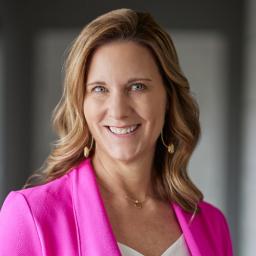
About Sara
She uses simple, practical conversations to help people sort through painful feelings like guilt, shame, and emptiness. That includes work around relationships, communication problems, and family conflict. She also helps with self-esteem, career concerns, parenting stress, and challenges tied to eating and sleeping.
Sara pays particular attention to issues that can come with caregiving and compassion fatigue. She also supports people dealing with abandonment, attachment wounds, blended family dynamics, and the effects of past trauma. Addiction and substance use concerns are part of her practice as well.
Her therapeutic style draws on client-centered methods, emotionally-focused work, and solution-focused techniques. Those approaches guide a process that is collaborative and goal oriented. Sessions tend to focus on what matters most to the person and what changes feel realistic in their life.
Sara values clear communication and steady guidance. She aims to help people rebuild connection, manage strong emotions, and find a renewed sense of purpose. To begin, prospective clients are asked to follow the site’s Start Therapy steps to match and schedule a session.
Areas of expertise
Primary focus
Also works with
Additional focus areas
Therapeutic approaches
Experience
25+ years
Credentials
Nebraska
Languages
English
How these approaches translate to online care
Client-Centered Therapy focuses on building a genuine, respectful connection and following the person’s lead to address what matters most. It helps with feelings of isolation, low self-worth, and grief by concentrating on the client’s experience and choices.Emotionally-Focused Therapy (EFT) helps people identify and name emotions and patterns that shape relationships and personal distress. It can be useful for processing loss, attachment wounds, and tough conversations with others.
Solution-Focused Therapy zooms in on small, practical changes a person can try between sessions. It works well for stress, coping with life changes, and setting clear, achievable goals.
Finding the right approach is part of the work. The therapist will collaborate with each person to decide which methods fit their goals, needs, and preferences. That choice can shift over time as progress is made or priorities change.
The practical benefits of online therapy can include fitting sessions into a busy schedule, easier access when travel is difficult, and shorter check-ins when needed. Because the biography does not list specific session formats, confirm the current online and in-person options before booking. The focus is on making therapy workable for everyday life rather than promising any single format.
Frequently asked questions
What kinds of concerns can be addressed here?
Sara works with a wide range of concerns including grief, addictions, depression, anxiety, relationship and family problems, self-esteem, parenting stress, and caregiver fatigue.
How would you describe the therapeutic approach?
The approach is collaborative and pragmatic, using client-centered conversations, emotionally focused work, and solution-focused techniques to help people identify goals and workable steps.
How much experience does the therapist have?
This clinician has 25 years of experience supporting people through transitions such as bereavement, addiction recovery, and major life changes.
What credentials and location apply to this therapist?
The therapist holds an LMHP credential and practices in Nebraska.
In which language are sessions offered and are international clients accepted?
Sessions are offered in English, and international clients are not currently accepted.
Which session formats are used for appointments?
The original biography does not specify session formats, so confirm current session options before booking to know what formats are offered.
How is cost handled for therapy sessions?
Cost varies with location and therapist availability; sessions use a subscription that can be canceled at any time.
What are the first steps to begin working together?
Select the Start Therapy button, complete a short matching questionnaire, and then schedule according to therapist availability.