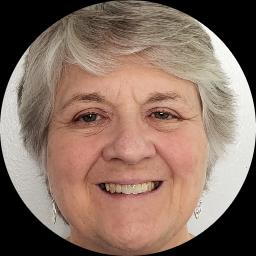
- 40 years experience
- Grief and hospice counseling
- Client-centered care
About Robin
She creates an open space where clients can talk without judgment. Conversations are shaped to each person’s needs, with an emphasis on listening first and asking practical questions. The goal is to help people find ways forward that feel manageable.
Robin uses techniques drawn from client-centered practice, cognitive behavioral ideas, mindfulness, motivational interviewing, and narrative work. That mix is used to help people notice unhelpful patterns, rethink painful beliefs, and practice small changes in day-to-day life. She adapts approaches depending on what each person finds most useful.
Her background spans many kinds of relationship and life-change issues, including caregiver stress, end-of-life concerns, abandonment, and post-traumatic stress. Those topics often come with tangled emotions, and she focuses on steady support and clear steps rather than quick fixes.
Clients who choose her can expect a collaborative tone. Sessions are guided by the client’s goals and paced to their comfort. She offers straightforward guidance and helps people build skills for coping between visits.
Areas of expertise
Primary focus
Also works with
Additional focus areas
Therapeutic approaches
Experience
40+ years
Credentials
Maryland
Languages
English
How Robin’s Approaches Work Online
Client-centered therapy focuses on listening and following the client’s lead to build trust and clarity. It helps when someone needs a space to be heard and to sort through their own priorities.Cognitive behavioral ideas look at thoughts and behaviors that keep problems going and teach small, practical changes to break those patterns. This can be useful for relationship conflicts, anxiety, and managing grief reactions.
Mindfulness therapy offers simple practices to notice moment-to-moment experience and reduce reactivity. It is often paired with other approaches to help people stay grounded during difficult conversations.
Choosing the right approach is a shared process. The therapist will ask about goals, preferences, and what has or hasn’t worked before, then try methods that fit the person. Adjustments are made over time based on what feels most helpful.
Practical benefits of online work should be confirmed before booking since session formats are not specified here. In general, remote sessions can make it easier to fit therapy around work or caregiving, reduce travel time, and allow for shorter check-ins when needed. Ask about the exact session options when you schedule so arrangements match your routine.
Frequently asked questions
What concerns does Robin help people with?
She works with relationship difficulties, family conflicts, grief, trauma and intimacy-related issues. Additional focuses include caregiver stress, abandonment, and end-of-life counseling.
What is her therapeutic style like?
Her style is respectful and nonjudgmental, prioritizing listening and collaboration. She tailors conversation and techniques to each person’s needs.
How much experience does she bring?
Robin has 40 years of professional work experience supporting people through life changes and relationship challenges.
What credentials and region are listed?
She holds the LCSW-C credential from Maryland and practices there.
Which languages are available for sessions?
Sessions are offered in English.
Can people outside the United States work with her?
International clients are not currently accepted.
How are fees and billing handled?
Cost varies with location and therapist arrangements; sessions use a subscription that can be canceled at any time.
How do I begin if I want to work together?
Click the Start Therapy button, complete a short matching questionnaire, and then schedule sessions according to therapist availability.