- Compassionate listening
- Practical coping skills
- Evidence informed methods
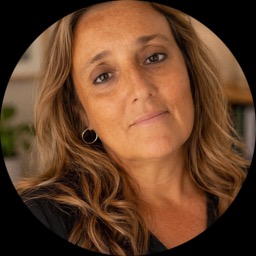
About Robin
Robin centers sessions on the individual's story and strengths. She uses a mix of clear, practical tools and reflective conversation so people can build new coping skills. Sessions often involve learning ways to manage difficult feelings and to handle relationship or communication problems.
She draws on several evidence-based approaches, selecting techniques that fit the person in front of her rather than following a single method. The work can include skill-building, noticing patterns that get in the way, and practicing new responses in everyday life. Robin aims for steady progress at a pace each person can manage.
People turn to her for help with issues tied to abandonment or attachment, caregiving stress, chronic illness or pain, body image, and major life transitions like aging or cancer. She also supports concerns such as commitment worries, codependency, and coping after disasters.
Robin practices in Texas and offers care in English. She approaches therapy as a collaborative process and invites people to start by sharing what matters most to them.
Areas of expertise
Primary focus
Additional focus areas
Therapeutic approaches
Experience
10+ years
Credentials
Texas
Languages
English
How therapy approaches translate to online care
Acceptance and Commitment Therapy (ACT) focuses on helping people notice unhelpful thoughts and commit to actions that match their values. It often helps with anxiety, depression, and feeling stuck. Cognitive Behavioral Therapy (CBT) looks at patterns of thinking and behavior and teaches concrete skills to change them, which can be useful for managing stress, low mood, and relationship problems.Finding the right approach is part of the therapy process. The therapist will work together with each person to choose methods that match their needs, goals, and comfort level. That might mean trying an approach for a few sessions and adjusting as progress is made.
Confirm current session options before booking so you know what formats are offered. Online work can make it easier to fit therapy into a busy life, for example by saving travel time, letting someone schedule a shorter check-in, or reducing the need to arrange childcare. Licensed professionals can use online sessions to teach skills, review practice exercises, and support coping between meetings, while matching the pace to each person's life and goals.
Frequently asked questions
What concerns does Robin help with?
She works with people facing depression, anxiety, stress, relationship difficulties, trauma and self-esteem issues, plus related areas such as caregiving stress, chronic illness, and attachment concerns.
What is her therapeutic style like?
The approach is compassionate and collaborative with a focus on listening first. Sessions combine reflective conversation with practical skills you can use between meetings.
How much clinical experience does she have?
Robin has ten years of clinical experience working with people through a range of life challenges and transitions.
What are her credentials and location?
She is a Licensed Clinical Social Worker, listed as LCSW, practicing in Texas.
Which languages are supported for sessions?
Sessions are offered in English.
Can international clients work with her?
International clients are not currently accepted.
How does pricing work for sessions?
Cost varies with location and therapist availability; sessions use a subscription model that can be canceled at any time.
How do I begin working with Robin?
Use the Start Therapy button, complete a short matching questionnaire, and then schedule according to the therapist's availability.