- CBT focused
- Grief and loss
- Caregiver support
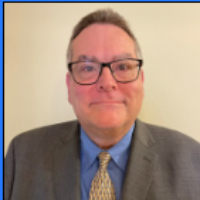
About Richard
Richard brings two decades of counseling experience and a long history in pastoral ministry to his work. He has been an LCPC since 1998 and served in pastoral roles for 38 years. He also holds Board Certified Chaplain credentials and has been an on-call chaplain for more than 21 years, experiences that inform his approach to loss and grief.
In sessions he focuses on current problems and teaches concrete skills to change unhelpful thoughts and behaviors. He also listens for how grief, trauma, or life transitions are shaping daily routines and relationships. The goal is to find manageable steps clients can use between meetings.
People contact him about stress, anxiety, depression, grief, caregiving strain, and end-of-life concerns, as well as issues such as parenting, career challenges, and relationship communication. He also supports those coping with chronic illness, aging concerns, and feelings of isolation.
Richard aims to support and empower people as they move through change. He invites straightforward conversation about what is most important to each person and helps them build practical strategies to meet those goals.
Areas of expertise
Primary focus
Also works with
Additional focus areas
Therapeutic approaches
Experience
20+ years
Credentials
Illinois
Languages
English
How Richard’s Approaches Translate to Online Counseling
Client-Centered Therapy focuses on listening and understanding where a person is coming from. The therapist offers empathy and reflects what he hears so clients feel heard and clearer about their goals. Cognitive Behavioral Therapy, or CBT, helps identify habits of thinking and behavior that keep problems going, and then practices simple changes to reduce anxiety, depression, or unhelpful patterns.Choosing an approach is a team decision. The therapist will talk with each person about their needs and goals and suggest which methods might fit best. Together they check whether the plan is helping and adjust it when necessary so therapy stays practical and focused.
The biography does not list specific online session formats, so confirm the current options before booking. Online work can make it easier to fit meetings into a busy week, reduce travel time, and allow quicker check-ins when needed. It can also make it simpler to continue support during illness or caregiving demands. Licensed professionals can adapt CBT and client-centered methods to remote sessions so clients practice skills between meetings and bring real-life examples back to therapy.
Frequently asked questions
What kinds of problems can be addressed here?
Richard works with stress, anxiety, depression, grief, and life changes. He also helps with caregiver strain, hospice and end-of-life counseling issues, relationship communication, and related concerns.
How does he approach therapy?
His primary approach is Cognitive Behavioral Therapy, which looks at thoughts and behaviors to find practical changes. He also uses client-centered listening and solution-focused ideas to set goals together.
What experience does he bring?
He has 20 years of counseling experience, plus 38 years in pastoral ministry and over 21 years as an on-call chaplain. Those roles inform his work with grief and loss.
What are his credentials and where is he based?
He is a Licensed Clinical Professional Counselor, LCPC, licensed in Illinois. His practice information is based in that state.
Can I work with him if I live outside the U.S.?
Sessions are offered in English and he is not accepting international clients at this time.
What session formats are available?
The original biography does not specify session formats. Please confirm current session options with the platform before scheduling.
How is cost handled?
Cost varies with location and therapist availability. Sessions use a subscription that can be canceled at any time.
How do I begin if I want to work together?
Use the Start Therapy button, complete a short matching questionnaire, and schedule according to therapist availability as shown on the site.