- Hospice and end-of-life
- Trauma and EMDR
- Family and caregiving
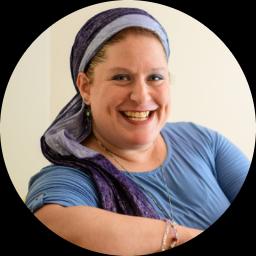
About Rachel
Her background includes private practice and work in medical settings such as hospitals, nursing homes, and hospice care. That experience shaped how she talks about loss, aging, caregiving stress, and serious illness. She helps people put words to hard feelings and find ways to manage day-to-day demands.
Rachel uses EMDR - Eye Movement Desensitization and Reprocessing - to address trauma and painful memories. She also focuses on practical coping skills for anxiety, depression, and relationship problems. Sessions are collaborative and paced to the client’s needs.
People come to her for help with family of origin issues, blended family challenges, parenting strain, and communication problems. She also works with clients dealing with chronic illness, cancer, chronic pain, and caregiver burden. Rachel supports those facing abandonment wounds, emptiness, and issues around forgiveness.
She aims to make the first steps straightforward. Clients begin by completing a short questionnaire and then schedule sessions according to the therapist’s availability. Rachel emphasizes listening first, then helping clients choose flexible strategies they can use in everyday life.
Areas of expertise
Primary focus
Also works with
Additional focus areas
Therapeutic approaches
Experience
22+ years
Credentials
Illinois
Languages
English, Hebrew
EMDR and practical approaches for remote care
EMDR - Eye Movement Desensitization and Reprocessing - is a trauma-focused method that helps people process painful memories. It uses guided attention and structured processing to reduce the intensity of traumatic images and feelings, and can be useful for trauma, abuse, and lingering distress.Alongside EMDR, Rachel emphasizes learning coping skills for anxiety, depression, and relationship problems. These are hands-on strategies people can try between sessions to manage stress, improve communication, and handle caregiving demands.
Finding the right approach is part of therapy. Rachel works collaboratively to decide which methods fit a person's history, goals, and comfort level. She listens first, explains options in plain language, and adjusts pace based on the client's needs.
Confirm the current session options before booking, as formats are not specified in the biography. Online therapy can make it easier to fit sessions into a busy life - for example it can remove travel time, allow shorter check-ins during a workday, or be scheduled when managing caregiving duties. Talk with the therapist about what will work best for regular sessions and follow-up practice.
Frequently asked questions
What concerns does Rachel commonly address?
She helps people with stress, anxiety, grief, depression, relationship and family problems, trauma and abuse, parenting strain, and issues related to caregiving, chronic illness, and end-of-life concerns.
What is her approach in therapy?
Rachel listens first and works collaboratively to set goals. She combines trauma-focused work with practical coping skills for anxiety, mood, and relational issues.
How much clinical experience does she have?
Rachel has 22 years of clinical experience in private practice and in medical settings including hospitals, nursing homes, and hospice.
What credentials and region are listed?
She holds an Illinois LCSW, which stands for licensed clinical social worker, and maintains practice in Illinois.
Which languages are available for sessions?
Sessions are offered in English and Hebrew.
Can international clients work with her?
International clients are not currently accepted.
How are sessions paid for and what is the cost?
Cost varies with location and therapist availability; sessions use a subscription model that can be canceled at any time.
How do I begin working with Rachel?
Start by selecting the Start Therapy button, complete a short matching questionnaire, and then schedule according to the therapist's availability.