- Hospice and end-of-life
- Grief and loss
- Stress and anxiety
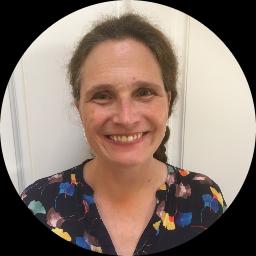
About Rachel
Her approach centers on listening closely and creating a nonjudgmental space where clients can speak honestly. Sessions focus on understanding patterns in relationships and behavior, and on finding practical steps to reduce distress. Rachel aims to help people build skills they can use between meetings.
Rachel draws on several well-known methods to guide the work. She uses attachment-based ideas to look at how early connections shape current relationships. Cognitive Behavioral Therapy, or CBT, helps identify thinking patterns that contribute to anxiety or low mood. Motivational Interviewing and solution-focused techniques support small, realistic changes when people feel stuck.
She has also worked with concerns that often come alongside life transitions, including adoption and foster care questions, aging and geriatric issues, cancer care, and hospice and end-of-life counseling. This background informs a calm, steady way of talking about difficult topics.
Rachel describes the first steps as straightforward: talk about what matters most, set clear goals, and try manageable steps between sessions. Her style is direct but warm, offering practical tools alongside emotional support.
Areas of expertise
Primary focus
Also works with
Additional focus areas
Therapeutic approaches
Experience
27+ years
Credentials
Idaho
Languages
English
How these approaches guide online care
Attachment-Based Therapy looks at how early relationships shape the way people connect today. It helps when relationship patterns, trust, or closeness feel stuck or painful. Cognitive Behavioral Therapy, or CBT, focuses on identifying unhelpful thoughts and testing small behavior changes to reduce anxiety and low mood. Solution-Focused Therapy concentrates on what works now and on practical steps to move forward quickly.Finding the right approach is part of the work. The therapist will talk with the client about goals, preferences, and what feels most useful. Together they decide which methods to try and adjust the plan as progress is made.
Confirm the current session options before booking, as formats are not specified here. Many people find online work helpful because it can fit more easily into a busy day, reduce travel time, and allow shorter check-in meetings when needed. It can also make it simpler to continue care through relocations or during periods of illness. Licensed professionals typically focus on making sessions practical, with tools and steps clients can use between meetings.
Frequently asked questions
What concerns can Rachel help with?
She supports people facing stress, anxiety, grief, trauma, relationship and intimacy issues, addictions, mood concerns such as depression and bipolar symptoms, parenting questions, and related challenges.
How would you describe her therapy style?
Her style is supportive and direct; she listens without judgment and works with clients to set clear, practical goals they can try between sessions.
What is her professional background?
Rachel is a licensed clinical social worker with 27 years of professional experience working with a range of life stressors and loss-related concerns.
Where is Rachel licensed to practice?
She holds an LCSW credential and is licensed in Idaho.
Which languages are sessions offered in?
Sessions are offered in English.
Can international clients work with her?
International clients are not currently accepted.
How does billing and cost work?
Cost varies with location and therapist availability, and sessions use a subscription that can be canceled at any time.
What are the first steps to begin therapy?
Use the Start Therapy button, complete a short matching questionnaire, and schedule sessions according to therapist availability.