- Person-centred approach
- Grief and loss support
- Trauma informed care
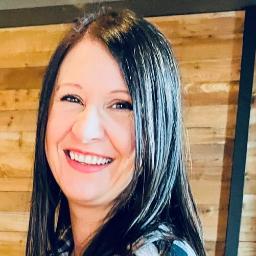
About Rachel
Her approach is gentle and client-led. Sessions are shaped around what each person needs and the goals they bring. She supports people through loss and bereavement and helps with relationship issues, grief, stress and anxiety. Rachel also works with trauma, abuse and the after-effects of domestic and sexual violence.
Her background includes volunteer work with Victim Support Scotland and Healed Scars, where she supported people coping with emotional abuse and trauma. That work informs how she responds to people finding their way through painful experiences and major life changes.
Rachel holds a COSCA accredited Diploma in Counselling and a COSCA Certificate in Counselling, and she is a registered member of the British Association for Counselling and Psychotherapy. She is also a member of Person Centred Therapy Scotland and the National Counselling Society. BACP is used here as her provided credential.
In sessions she draws on Acceptance and Commitment Therapy and Cognitive Behavioural Therapy alongside attachment-based and dialectical ideas when helpful. Rachel encourages moving at a pace that feels manageable and focuses on practical ways to cope day to day. Her aim is to help people find tools to manage symptoms and make clearer choices about the future.
Areas of expertise
Primary focus
Also works with
Additional focus areas
Therapeutic approaches
Experience
5+ years
Credentials
BACP · United Kingdom
Languages
English
Therapeutic approaches and how they fit online
Rachel commonly uses Acceptance and Commitment Therapy to help people notice difficult thoughts and then focus on actions that match their values. ACT can be useful for anxiety, depression and coping with loss. She also draws on Attachment-Based Therapy to look at how early relationships shape current patterns and to help people improve connection and trust in relationships.Finding the right approach is part of the work. The counsellor will talk through your goals and preferences and choose techniques together. This makes it easier to try a method and adjust it if it does not feel helpful.
If you are considering online sessions, please confirm the exact session options before booking. Online work can make it easier to fit counselling into a busy week, drop in on a shorter check-in, or meet without travel. Some approaches translate well to remote work because they use structured exercises, breathing and grounding practices or short behavioural tasks you can try between sessions. Registered or accredited professionals can explain how each method would be used in an online setting and arrange a session format that fits your routine.
Frequently asked questions
What kinds of concerns can be raised in sessions?
Rachel helps people with stress, anxiety, grief and depression along with relationship and intimacy-related issues. She also supports people facing trauma, addictions, caregiver stress and major life changes.
How would you describe the style of counselling offered?
The work is person-centred and non-directive, with an integrative approach. Practical tools from CBT, ACT and DBT ideas may be used where they suit a person's aims.
What experience does the counsellor bring?
Rachel has five years of counselling experience and has volunteered with Victim Support Scotland and Healed Scars, supporting people affected by emotional abuse and sexual and domestic violence.
What are the stated credentials and location?
She holds a COSCA accredited Diploma and a COSCA Certificate in Counselling and is a member of the British Association for Counselling and Psychotherapy (BACP). She practises in the United Kingdom.
Which languages are supported for sessions?
Sessions are offered in English.
Can people outside the UK work with this counsellor?
International clients are accepted, as noted in the provided information.
How are fees and payment handled?
Cost varies with location and therapist availability, and sessions use a subscription model that can be cancelled at any time.
What should I do to begin working together?
Start by clicking the Start Therapy button and completing the short matching questionnaire, then schedule sessions according to the counsellor's availability.