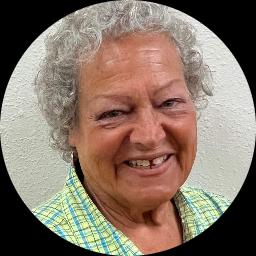
- 33 years experience
- MA LMHC
- English
About Peggy
She works with people facing stress, anxiety, depression, relationship strain, addiction, trauma, and caregiving challenges. Hospice and end-of-life counseling is one area she includes among her focus areas. Peggy also supports concerns such as eating-related issues, ADHD, bipolar symptoms, and compassion fatigue.
Peggy uses a mix of approaches tailored to the person in front of her. She draws on Attachment-Based and Emotionally-Focused ideas to strengthen relationships and connection. She brings Cognitive Behavioral techniques to help change unhelpful thoughts and behaviors. Dialectical Behavior Therapy skills are used when emotion regulation and tolerating distress are central goals.
Her work is grounded in a client-centered style that keeps the person's goals first. Sessions tend to feel practical and down-to-earth, with chances to try different strategies between meetings. Peggy listens for what is working and adjusts the plan as needs change.
With 33 years of experience and an MA LMHC credential, she offers care informed by long practice. Sessions are conducted in English and she does not accept international clients. If someone is ready to begin, the next step is to complete the site's matching questionnaire and schedule a session.
Areas of expertise
Primary focus
Also works with
Additional focus areas
Therapeutic approaches
Experience
33+ years
Credentials
Massachusetts
Languages
English
How therapeutic approaches shape online work
Attachment-Based Therapy focuses on how early and current relationships affect how people feel and connect. In sessions this means looking at patterns in close relationships and finding new ways to respond that reduce anxiety and strengthen bonds.Cognitive Behavioral Therapy (CBT) helps identify unhelpful thoughts and habits and then practices small changes to shift mood and behavior. It is useful for anxiety, depression, and coping with stressful situations by using clear, step-by-step exercises.
Finding the right approach is a shared task. The therapist will talk with the person about goals, preferences, and what has helped in the past. Together they choose or blend methods and adjust them over time so the work fits what the person needs right now.
Practical benefits of online therapy include fitting sessions into busy schedules and reducing travel time so people can use a break at work or an evening slot more easily. If you want to know which session formats are offered, confirm current options before booking since the biography does not list them. Many people find that doing therapy from home or another convenient place helps them stick with regular sessions and apply skills between meetings.
Frequently asked questions
What concerns does Peggy commonly help with?
She helps people dealing with grief, hospice and end-of-life concerns, stress, anxiety, depression, trauma, addictions, caregiving strain, relationship and communication problems, and related issues.
What is her therapeutic style like?
Her style is client-centered and practical. She listens, guides, and offers concrete strategies tailored to each person's goals and pace.
How much experience does she have?
Peggy has 33 years of clinical experience working with a wide range of concerns and life stages.
What credentials and region does she practice in?
She holds an MA and is a Licensed Mental Health Counselor (LMHC) licensed in Massachusetts.
Which languages are supported?
Sessions are offered in English only and she is not accepting international clients.
What session formats are available?
Session formats are not specified in the biography; please confirm current session options before booking.
How does cost and payment work?
Cost varies with location and therapist availability; sessions use a subscription that can be canceled at any time.
How do I begin working with her?
Start by selecting the Start Therapy button, completing the short matching questionnaire, and scheduling according to therapist availability.