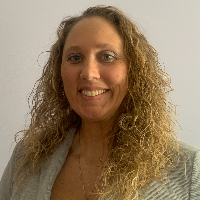
- Hospice and palliative experience
- Focus on grief and stress
- Mindfulness and CBT based
About Nicole
She has supported people of many ages dealing with ADHD, autism, learning differences, depression, bipolar disorder, trauma, and substance use. Nicole also has experience helping caregivers and those facing chronic illness or end-of-life concerns through hospice and palliative contexts. Her background includes individual and group work plus workshops and continuing education for professionals.
Nicole blends several approaches to match a person's needs. She uses client-centered listening, mindfulness strategies, cognitive behavioral techniques, and elements of dialectical behavior therapy and motivational interviewing. Treatment plans are tailored and practical, with an emphasis on building skills people can use day to day.
Sessions focus on identifying personal strengths and developing tools for better communication, boundaries, and relationship patterns. She often works on coping skills for anxiety, managing mood symptoms, and addressing trauma responses. Nicole pays attention to how mental and physical health interact and adjusts plans accordingly.
Her style emphasizes collaboration and steady progress rather than quick fixes. She encourages small steps toward meaningful change and supports people through challenging transitions. To begin, readers are invited to follow the site's Start Therapy flow to match and schedule with her.
Areas of expertise
Primary focus
Also works with
Additional focus areas
Therapeutic approaches
Experience
19+ years
Credentials
Michigan
Languages
English
How Nicole’s approaches translate to online care
Client-Centered Therapy means the therapist listens closely and follows the client’s lead. This approach focuses on understanding what matters most to the person and adapting the work to their goals and pace, which helps with grief, stress, and relationship concerns.Cognitive Behavioral Therapy, or CBT, looks at how thoughts, feelings, and actions connect. It breaks problems into small, manageable steps and teaches practical skills for anxiety, depression, and coping with life changes.
Dialectical Behavior Therapy, DBT, adds skill training for emotion regulation, distress tolerance, and better communication. These tools can help with impulsivity, mood instability, and high-stress moments.
Navigating which approach fits best is part of the early work. The therapist collaborates with each person to try options that match their needs and preferences, adjusting the plan as progress is made. Clients and therapist decide together what feels most useful.
Session formats are not specified in the biography, so confirm current online options before booking. Online work can make it easier to fit therapy into a busy week, allow shorter check-ins when needed, and reduce travel time. It also lets people practice new skills where they live and then discuss how those attempts went in session.
Frequently asked questions
What kinds of concerns does she help with?
Nicole supports people dealing with grief, stress, anxiety, depression, bipolar disorder, trauma and abuse, addictions, ADHD, relationship and family issues, and other life changes.
How would you describe her therapy style?
Her style is warm and interactive, focused on practical conversations and skill building. She tailors sessions to each person's needs and emphasizes using personal strengths.
What background does she bring to sessions?
Nicole has about 19 years of experience working in hospitals, homecare, hospice, palliative care, brain injury services, and schools, and has run groups and educational workshops.
What are her credentials and location?
She holds an LMSW, which stands for Licensed Master Social Worker, and practices in Michigan.
Can sessions be conducted in other languages or internationally?
Sessions are offered in English and she is not accepting international clients at this time.
What session formats are offered?
Please confirm current session options before booking, as the biography does not list specific formats.
How are fees and payment handled?
Cost varies with location and therapist availability; sessions use a subscription that can be canceled at any time.
How do I begin working together?
Use the Start Therapy button, complete a short matching questionnaire, and then schedule according to therapist availability.