- Hospice and end-of-life counseling
- Grief and loss
- Stress and trauma
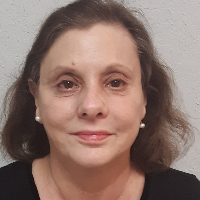
About Nancy
She draws on long hospital-based experience in Miami, Florida, where she worked with many different people and concerns. That background includes counseling people living with physical illness, mental health challenges, survivors of sexual assault, and patients in correctional settings. Nancy says she enjoys challenging situations and learns alongside the people she sees.
Her approach adapts to each person's needs. Some sessions focus on talking and listening in a client-centered way. Others use practical tools from cognitive behavioral therapy and solution-focused methods to teach different ways of thinking and coping.
Nancy also uses strategies from Acceptance and Commitment Therapy and Dialectical Behavior Therapy when they fit the situation. She is interested in supporting the LGBTQ community and in issues that arise around aging, caregiving, chronic illness, and end-of-life concerns including hospice and end-of-life counseling.
Her style is straightforward and flexible. People can expect down-to-earth conversation, hands-on coping techniques, and a collaborative effort to find what works best for them.
Areas of expertise
Also works with
Additional focus areas
Therapeutic approaches
Experience
32+ years
Credentials
Florida
Languages
English
Therapeutic approaches and how they translate online
Acceptance and Commitment Therapy (ACT) focuses on helping people notice thoughts without getting stuck in them and choose actions that match their values. It can help with anxiety, depression, and adjusting to loss. Cognitive Behavioral Therapy (CBT) teaches practical skills to change unhelpful thinking and behavior, which is useful for anxiety, mood concerns, and coping with stress. Client-Centered Therapy creates a respectful, listening space where a person’s own goals guide the work and emotional understanding grows.Finding the right approach is a collaborative process. The therapist will talk with each person about goals and preferences, try techniques that fit those goals, and adjust the plan as needed so the work matches what matters most to the client.
The practical benefits of online therapy include easier fitting of sessions into a busy life and reducing travel time. Online work can make short check-ins simpler and allow more flexible scheduling around work, caregiving, or medical commitments. If you plan to meet online, confirm which session formats are offered before booking so you know what options are available. Licensed professionals can adapt ACT, CBT, and client-centered methods to remote sessions to focus on skill-building, problem solving, and emotional processing.
Frequently asked questions
What kinds of problems does Nancy help with?
She works with stress, anxiety, grief, depression, trauma, compassion fatigue, addictions, relationship and intimacy concerns, eating and sleeping problems, caregiver stress, and more.
What is her general therapy style?
Nancy adapts her approach to each person. She blends client-centered listening with practical, goal-oriented techniques so people learn new coping skills.
How much clinical experience does she have?
She has 32 years of clinical experience, including long-term work in a large public teaching hospital in Miami, Florida.
What are her credentials and where is she located?
She is an LCSW - Licensed Clinical Social Worker - practicing from Florida.
Which languages are supported and can people outside the U.S. work together?
Sessions are offered in English, and she accepts international clients.
What session formats are available?
Session formats are not specified in the biography; please confirm current session options before booking.
How does cost and payment work?
Cost varies with location and therapist availability; sessions use a subscription that can be canceled at any time.
How do I begin working with her?
Click the Start Therapy button, complete a short matching questionnaire, and schedule according to therapist availability.