- Grief and hospice support
- Caregiver stress help
- Practical coping skills
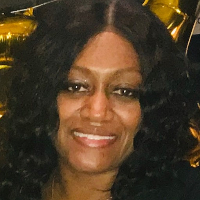
About Monica
With two decades of practice, Monica draws on practical therapy methods that focus on values, thinking patterns, and everyday steps people can take. Sessions tend to be collaborative and paced to each person’s needs. The work often centers on clearer communication, managing strong emotions, and setting achievable goals.
Monica uses Acceptance and Commitment Therapy to help people name what matters and take committed action despite painful feelings. She also uses Cognitive Behavioral Therapy to spot unhelpful thoughts and try new behaviors. Client-Centered Therapy shapes the relationship so people feel heard and understood while they try different coping strategies.
Her background includes long experience with grief and hospice-related concerns, caregiver stress, chronic illness, and family conflict. That experience informs a practical, calm style aimed at helping people handle intense moments and plan for the next step.
Monica works with a wide range of life situations, including eating and body image concerns, career stress, ADHD, and compassion fatigue. She practices in Maryland and provides straightforward guidance about how therapy fits into daily life.
Areas of expertise
Primary focus
Also works with
Additional focus areas
Therapeutic approaches
Experience
20+ years
Credentials
Maryland
Languages
English
How therapy approaches translate to online work
Acceptance and Commitment Therapy helps people clarify their values and commit to actions that match those values even when feelings are difficult. It is useful for grief, chronic illness challenges, and stress that makes life feel stuck.Cognitive Behavioral Therapy focuses on identifying unhelpful thinking patterns and testing new behaviors. It is often used for anxiety, depression, and problems like eating concerns or trouble managing urges.
Finding the right approach is part of the work. Monica collaborates with each person to decide which methods fit their needs, goals, and preferences. She adjusts the pace and tools as the relationship develops so therapy stays useful and grounded in daily life.
Session formats are not listed in the biography, so confirm current options before booking. Online therapy can make it easier to fit sessions into a busy schedule, shorten check-ins when needed, and remove travel time. It can also let people choose audio or video depending on comfort or bandwidth. Licensed professionals, including therapists like Monica, can use these flexible options to focus on practical coping skills and planning that fit the client’s everyday routines.
Frequently asked questions
What kinds of concerns does she address?
She works with grief, hospice and end-of-life concerns, depression, anxiety, addictions, relationship and family issues, and several other challenges listed on her profile.
How would you describe her therapeutic style?
Her style is practical and collaborative, focusing on clear communication, emotion management, and small steps that build toward larger change.
What is her background and experience?
She has 20 years of clinical experience working with people facing chronic illness, caregiver stress, grief, family conflict, and identity-related concerns.
What credential does she hold and where does she practice?
She is a LCSW-C, which is a licensed clinical social worker credential in Maryland, and she practices in Maryland.
Which languages are sessions offered in?
Sessions are offered in English.
Can people from other countries work with her?
She does not accept international clients at this time.
How are fees and payment handled?
Cost varies with location and therapist availability, and sessions use a subscription that can be canceled at any time.
How do I begin work with her?
Start by selecting the Start Therapy button, complete the short matching questionnaire, and then schedule sessions according to the therapist's availability.