- Focus on real tools
- Warm nonjudgmental care
- Collaborative goal setting
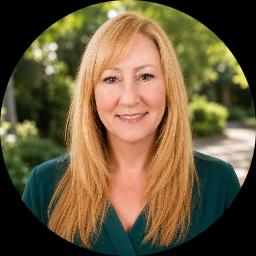
About Michelle
Her style is down-to-earth and straightforward. Sessions focus on what’s happening now and on tools that make daily life easier. She listens closely, helps name patterns, and works with each person to try different strategies until something fits.
Michelle uses several evidence-informed approaches, including Acceptance and Commitment Therapy, Cognitive Behavioral Therapy, and Attachment-Based Therapy. She draws on these methods to address worry, painful memories, and relationship patterns, adjusting techniques to each person’s needs.
Over nearly two decades she has supported people dealing with abandonment, attachment issues, caregiver stress, chronic illness, codependency, communication breakdown, dissociation, and separation. She also has experience related to autism spectrum conditions and ADHD, and works to translate therapeutic ideas into real-life steps.
Michelle encourages a collaborative process. She helps set goals, practices skills together in sessions, and offers ways to track progress. The focus is on usable tools and clearer connections, so people leave sessions with something they can try between meetings.
Areas of expertise
Primary focus
Additional focus areas
Therapeutic approaches
Experience
18+ years
Credentials
Washington
Languages
English
How Michelle’s approaches translate to online therapy
Acceptance and Commitment Therapy (ACT) focuses on clarifying values and taking small actions that fit those values. It helps when worry or avoidance get in the way of living the life someone wants. Cognitive Behavioral Therapy (CBT) looks at the links between thoughts, feelings, and actions and teaches practical skills for managing anxiety, mood, and unhelpful behavior. Attachment-Based Therapy explores how early relationships shape current patterns and helps people try new ways of connecting and setting boundaries.Choosing the right approach is part of the work together. Michelle will discuss goals and preferences and help figure out which methods to try first. Decisions are collaborative and can change over time as needs shift.
Confirm the current online session options before booking, since specific formats are not listed here. Online work can make it easier to fit sessions into a busy week, reduce travel time, and allow follow-up conversations when progress needs checking in between meetings. Some approaches lend themselves to brief skill practice, worksheets, and coached exercises that transfer well to an online setting. If you prefer a particular way of meeting, mention it when you schedule so the arrangement can be discussed.
Frequently asked questions
What concerns does Michelle address?
She supports people with stress, anxiety, relationship problems, trauma and abuse, parenting questions, and ADHD, plus related issues like caregiver stress, chronic illness, communication problems, and separation.
What is her therapy style like?
Her approach is down-to-earth and practical. She listens, helps identify patterns, and works with clients to try tools that fit their everyday life.
How much experience does she bring?
Michelle has 18 years of clinical experience working with a range of concerns from trauma to relationship challenges.
What credentials and region does she hold?
She is a Licensed Mental Health Counselor (LMHC) licensed in Washington and practices there.
Which languages are sessions offered in?
Sessions are offered in English.
Are international clients accepted?
International clients are not currently accepted.
How are sessions billed?
Cost varies with location and therapist availability; sessions use a subscription that can be canceled at any time.
What do I do to begin therapy?
Click the Start Therapy button, complete a short matching questionnaire, and schedule according to therapist availability.