- Practical coping strategies
- ADHD support and coaching
- Grief and end-of-life support
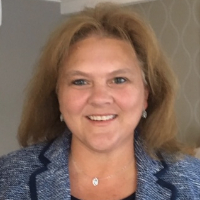
About Michelle
Michelle holds a Master’s in Counseling and an MBA from Wake Forest University. She has more than 20 years of experience in counseling, coaching, and education across schools, universities, corporations, and private practice. That varied background shapes how she adapts sessions to a person’s goals and daily life.
In sessions she focuses on self-awareness and practical steps. Conversations aim to turn insight into action with clear strategies for organization, emotion regulation, and task follow-through. She particularly emphasizes coping strategies for people with ADHD and for those carrying caregiver or first responder stress.
Michelle uses client-centered ideas alongside cognitive behavioral tools and mindfulness practices. She also draws on dialectical behavior techniques and motivational interviewing to support change and build skills. These approaches help with anxiety, mood challenges, relationship patterns, and grief processing.
For professionals, Michelle blends counseling with coaching skills to clarify priorities, improve delegation, and manage projects more effectively. Her background in budgeting and project management informs practical problem solving. She invites clients to set concrete goals and to test small changes between sessions.
Areas of expertise
Primary focus
Also works with
Additional focus areas
Therapeutic approaches
Experience
20+ years
Credentials
North Carolina
Languages
English
How therapeutic approaches guide online work
Client-Centered Therapy focuses on understanding your priorities and building a collaborative relationship where your views shape the work. It helps when people want a respectful space to clarify values and make decisions.Cognitive Behavioral Therapy (CBT) looks at thoughts and behaviors together and teaches practical skills to reduce anxiety, manage mood, and change unhelpful patterns. It is often used for depression, anxiety, and for building routines that support productivity.
Dialectical Behavior Therapy (DBT) offers specific skills for emotion regulation, distress tolerance, and improving communication. Those skills can be helpful for intense emotions, impulsivity, or when someone needs concrete strategies to manage strong reactions.
Finding the right approach is a shared process. The therapist will listen to your goals, try methods that fit your needs, and adjust as you progress. Clients and the therapist work together to see which tools help most and to set achievable steps between meetings.
The biography did not specify session formats, so confirm current options before booking. Online work can make it easier to fit sessions into weekdays, to schedule brief check-ins, or to use tools like worksheets and brief recordings between meetings. Many people find that remote appointments help keep momentum when life is busy and make skill practice more convenient.
Frequently asked questions
What concerns can Michelle help with?
She supports people managing stress, anxiety, depression, grief, ADHD, addictions, caregiver strain, and many life changes. Career and productivity challenges are also part of her focus.
How does she approach therapy?
Sessions combine client-centered listening with practical tools from cognitive behavioral methods, mindfulness, and motivational interviewing. The goal is to turn awareness into everyday actions you can use.
What is her background and experience?
Michelle has a Master’s in Counseling and an MBA from Wake Forest University and more than 20 years of experience in counseling, coaching, and education.
Where is Michelle based and licensed?
She practices from North Carolina and holds an LCMHC license in that state.
Which languages are supported for sessions?
Sessions are offered in English and she accepts international clients.
What session formats are available?
The original biography does not list session formats explicitly; please confirm current session options before booking.
How are sessions priced?
Cost varies with location and therapist availability, and sessions use a subscription that can be canceled at any time.
How do I begin working with her?
Choose the Start Therapy button, complete the short matching questionnaire, and then schedule according to the therapist's availability.