- Person-centred approach
- BACP member
- Integrative counselling
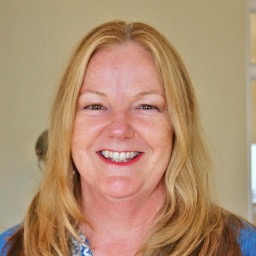
About Michelle
Michelle works from a person-centred view, meeting each person as an individual. She uses open conversation and sometimes non-verbal ways of working to help people notice what is blocking them. The aim is to identify manageable changes and put them into practice between sessions.
Her style is interactive and down-to-earth. Michelle explores both external pressures and the inner impact of stress - thoughts, feelings and the ways the body stores tension. She invites people to speak honestly about grief, relationship problems, anxiety, addiction and other concerns listed in her practice.
Michelle describes herself as an integrative counsellor with roots in person-centred and humanistic approaches. She also draws on elements of Gestalt practice, yoga-informed ways of working and shamanic perspectives when appropriate for the client. She is a member of the British Association for Counselling & Psychotherapy, BACP.
She encourages small, practical steps alongside reflective work. If someone wants help making sense of loss, managing intense feelings, or finding new patterns after major life changes, Michelle offers steady, person-focused support to explore those concerns.
Areas of expertise
Primary focus
Also works with
Additional focus areas
Therapeutic approaches
Experience
6+ years
Credentials
BACP · United Kingdom
Languages
English
How therapeutic approaches shape online counselling
Michelle uses person-centred and attachment-based ideas to help people feel heard and understood. Person-centred work focuses on the client's experience and priorities, helping people name what matters and try small changes. Attachment-informed thinking looks at how past relationships influence current patterns, which can be useful for relationship pain and fear of abandonment.She also draws on cognitive behavioural ideas to identify unhelpful thoughts and test new ways of responding. CBT-style work often suits anxiety, low mood and habits people want to change because it breaks problems into small, practical steps.
Finding the right approach tends to be a shared decision. Michelle will talk with each person about their goals and preferences, then combine methods that fit those needs. The early sessions often focus on what feels most urgent and on planning simple experiments to try between meetings.
Confirm the current session options before booking so you know what formats are offered. Online work can make it easier to fit counselling into a busy week, reduce travel time and allow shorter check-ins when needed. It also means people can continue work through major life changes without having to rearrange their whole schedule.
Frequently asked questions
What kinds of concerns does Michelle help with?
She supports people with grief, stress, anxiety, depression and relationship worries. Other focus areas include caregiving strain, chronic illness, addiction, body image and self-esteem.
How would you describe her therapeutic style?
Her style is warm and interactive, working in the here and now with a person-centred focus. She uses talk and sometimes non-verbal methods to identify blocks and practical steps forward.
What experience does she bring to sessions?
She has six years of professional experience and practises an integrative form of counselling that adapts to individual needs.
What credentials and location are listed?
Michelle is a member of the British Association for Counselling & Psychotherapy, BACP, and she practises in the United Kingdom.
Which languages are supported for sessions?
Sessions are offered in English.
Can people outside the UK work with her?
She is not taking international clients at this time.
How are fees and payment handled?
Cost varies with location and therapist availability; sessions use a subscription that can be cancelled at any time.
How do I begin if I want to work together?
Use the Start Therapy button, complete a short matching questionnaire, and then schedule sessions according to the therapist's availability.