- Client-centered focus
- CBT tools
- Grief support
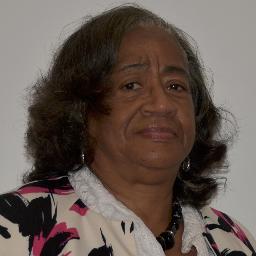
About May
May creates a welcoming space where clients can speak openly about painful feelings. She emphasizes listening first and then working together to find practical steps that feel doable. Sessions tend to focus on what is happening now and what small changes might help day to day.
Her approach draws on client-centered therapy, which centers the conversation on the client's experience and priorities. She also uses cognitive behavioral therapy, helping people notice thoughts and behaviors that keep problems going and try alternative ways of responding. These methods are straightforward and action-oriented when that fits the client's goals.
May has worked with people managing grief, loss, and end-of-life concerns, including hospice and end-of-life counseling. She also addresses issues such as depression, anger, self-esteem, parenting stress, and coping with life transitions. Additional focuses include forgiveness work, HIV and AIDS related concerns, obsessions and compulsions, paranoia, and personality disorder patterns.
Her style is supportive and practical. She helps clients set clear, manageable goals and checks progress together. Those who prefer calm guidance and practical tools may find her approach helpful.
Areas of expertise
Primary focus
Also works with
Additional focus areas
Therapeutic approaches
Experience
8+ years
Credentials
Mississippi
Languages
English
How her approaches translate to online care
Client-centered therapy puts the client's experience first and focuses on listening with empathy. In practice this means sessions emphasize what matters most to the person and adapt pace and goals to their needs. Cognitive behavioral therapy, or CBT, helps people notice unhelpful thoughts and behaviors and then try small, practical experiments to change them. CBT is often used for anxiety, depression, obsessive thinking, and coping challenges.Finding the right approach is a collaborative process. The therapist will work with the client to decide which methods fit their goals and comfort level. That might mean more listening and exploration at first, then adding CBT-style exercises if that matches the client's needs.
Many people find online therapy can fit more easily into a busy week by reducing travel time and making it simpler to keep regular appointments. Online options can also support brief check-ins, focused skill practice, or ongoing work on grief and coping with life transitions. Because session formats are not listed in the biography, confirm the available formats before booking to ensure they match your schedule and preferences.
Frequently asked questions
What kinds of problems does she help with?
She works with stress, anxiety, relationship concerns, trauma and abuse, grief, depression, parenting strain, anger, self-esteem, and coping with life changes.
What is her therapeutic style?
Her style is client-centered and supportive, focusing on listening and responding to each person's priorities while offering practical steps to try between sessions.
How much experience does she have?
She has eight years of professional work experience as a Licensed Professional Counselor in Mississippi.
What credential does she hold and where is she located?
She holds an MS LPC, which is a Licensed Professional Counselor credential, and she practices in Mississippi.
Which languages are supported for sessions?
Sessions are offered in English, and she also accepts international clients.
What session formats are available?
Session formats are not specified in the biography; please confirm current session options before booking to know how sessions are offered.
How are sessions priced?
Cost varies with location and therapist availability; sessions use a subscription that can be canceled at any time.
How do I begin working with her?
Use the Start Therapy button, complete a short matching questionnaire, and then schedule according to the therapist's availability.