- Grief and loss
- Caregiver stress
- Practical coping
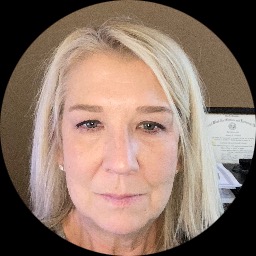
About Maura
Her sessions are built around respectful, sensitive conversation. She listens first to understand what matters most to each person and then helps set short-term goals. Treatment plans are tailored to the individual rather than following a rigid formula.
Maura draws on client-centered methods that keep the person's voice central. She also uses problem-focused techniques to identify unhelpful thinking and to practice different responses in real life. Motivational interviewing supports people who want to make specific changes but feel stuck.
Over her career she has supported people facing aging and geriatric concerns, chronic illness or pain, caregiver stress, body image and mood disorders, and end-of-life issues connected to hospice and bereavement. Her work includes communication struggles, control issues, guilt and shame, and the practical stresses around money and major transitions.
Her approach is straightforward and collaborative. People can expect clear steps, practical coping tools, and regular check-ins on progress. Maura encourages questions and adapts plans as needs shift during therapy.
Areas of expertise
Additional focus areas
Therapeutic approaches
Experience
15+ years
Credentials
North Carolina
Languages
English
How Maura Uses Therapy Methods Online
Client-centered therapy puts the person's goals and experience first. The therapist listens without judgment and helps people name what matters most, which can be especially useful for grief, life changes, and caregiver stress.Cognitive Behavioral Therapy, or CBT, looks at the link between thoughts, feelings, and actions. Maura uses CBT techniques to identify unhelpful thought patterns and to practice different responses, which can help with anxiety, depression, and mood challenges.
Motivational interviewing helps when someone wants change but feels stuck. It uses open questions and reflection to build motivation and clarify values so decisions feel more achievable.
Finding the right approach is part of the work together. The therapist will talk with each person about goals, try methods that fit the situation, and adjust plans based on what helps most. That collaboration helps shape a practical path forward.
Confirm the current session options before booking so you know how sessions are offered. Online therapy can make it easier to fit appointments into a busy week, reduce travel time, and allow shorter check-ins when needed. It can also make regular work on skills and coping tools easier to maintain between in-person visits if you previously struggled to keep appointments.
Frequently asked questions
What concerns does Maura often help with?
She helps people manage stress, anxiety, grief, depression, and coping with life changes. She also addresses compassion fatigue and related caregiver stress.
How would you describe her therapeutic style?
Her style is respectful and collaborative. Sessions focus on listening, setting small goals, and using practical strategies to change thinking and behavior.
What kind of experience does she bring?
Maura has 15 years of professional experience working with mood concerns, bereavement, chronic illness issues, and caregiver burdens.
What are her credentials and location?
She is an LCSW licensed in North Carolina.
Which languages are available for sessions?
Sessions are offered in English.
Can people outside the U.S. work with her?
International clients are not currently accepted.
How does payment and cost work?
Cost varies with location and therapist availability and sessions use a subscription that can be canceled at any time.
What do I do to begin working with her?
Click the Start Therapy button, complete a short matching questionnaire, and then schedule according to therapist availability.