- Grief and loss support
- Practical coping skills
- Respectful listening
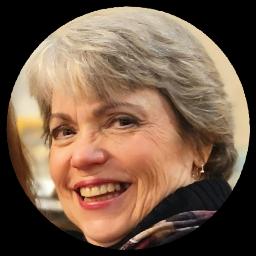
About Mary
Mary draws on her background in nursing and long clinical practice to guide conversations about painful loss, life changes, and medical or caregiving stress. She creates a space where thoughts and feelings can be spoken about without judgement. Sessions focus on clear goals and steady steps forward.
Her work often addresses attachment and communication problems that affect relationships and emotional well-being. She also helps people dealing with body image, eating-related struggles, and issues tied to family of origin. Hospice and end-of-life counseling is included among the areas she supports.
Therapy can include practical skills from cognitive behavioral approaches to help shift unhelpful thinking patterns. She uses client-centered listening to follow the person’s priorities and emotionally-focused ideas to deepen understanding of feelings. Dialectical strategies are used to build tolerance for difficult emotions when needed.
Mary emphasizes small changes that add up over time. She supports people through midlife transitions, caregiver burdens, grief after loss, and the strain of chronic mood concerns. Her approach is steady, compassionate, and focused on real-life solutions.
Areas of expertise
Primary focus
Additional focus areas
Therapeutic approaches
Experience
30+ years
Credentials
Illinois, Wisconsin
Languages
English
Therapeutic approaches for online support
Attachment-Based Therapy concentrates on how early and current relationship patterns shape feelings and reactions. It helps people notice patterns around trust, abandonment, and connection so they can try different ways of relating.Cognitive Behavioral Therapy (CBT) focuses on identifying unhelpful thoughts and testing new behaviors. It is useful for anxiety, mood disorders, and practical problems like sleep or low motivation.
Finding the right approach is part of the work. The therapist will collaborate with each person to decide what fits their needs and goals. That means trying strategies, checking what helps, and adjusting the plan together.
The biography does not list specific online or phone formats, so confirm current session options before booking. Online work can make it easier to fit sessions into a busy week, shorten travel time, and allow check-ins from different locations. Some formats may be simpler for a quick skill check, while others allow longer, deeper conversations. Talk with the therapist when you schedule to learn which options will best match your routine and needs.
Frequently asked questions
What kinds of problems does this therapist help with?
She helps people with stress, anxiety, grief, eating concerns, self-esteem struggles, and depression. Additional areas include caregiver stress, aging concerns, attachment and family of origin issues, and hospice and end-of-life counseling.
What is the general therapy style here?
The style is collaborative and person-focused. Sessions use listening, practical coping skills, and emotional exploration to set goals and solve everyday problems.
How long has this clinician been practicing?
She has thirty years of professional experience, including work as a registered nurse before moving into social work practice.
What credentials and location are listed?
She holds LCSW credentials listed as IL LCSW and WI LCSW and practices in Wisconsin.
Are sessions offered in other languages or internationally?
Sessions are offered in English. International clients are not currently accepted.
What session formats are available?
The biography does not specify session formats. Please confirm current session options before booking.
How is cost handled for sessions?
Cost varies with location and therapist availability. Sessions use a subscription that can be canceled at any time.
How do I begin working with this therapist?
Use the Start Therapy button, complete a short matching questionnaire, and schedule based on the therapist's availability.