- Grief and loss
- Mindful skills
- Practical tools
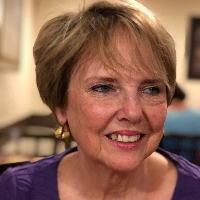
About Mary
Dr. Walker began her career as a high school art teacher, which gave her time with young people and a window into how life events shape identity. She later served as a mentor in church settings where she saw firsthand the skills people needed to move forward from painful pasts. Those experiences shaped her approachable, down-to-earth counseling style.
She completed a Master of Arts in Counseling at Houston Graduate School of Theology and earned a Ph.D. from Texas A&M Corpus Christi. Her training has expanded to include multiple techniques for trauma and PTSD, personality-related difficulties, grief, dissociation, depression, OCD, transition issues, and anxiety.
In sessions she draws on client-centered principles, cognitive behavioral skills, dialectical behavior elements, existential ideas, and mindfulness practices. She emphasizes practical tools and clear steps people can use between meetings. The work tends to be collaborative and paced to the individual’s readiness.
People who come to her often want help managing overwhelming emotions, rebuilding routine, or finding ways to cope with loss and change. She describes counseling as a joint effort where steady support and honest work can lead to real shifts.
Areas of expertise
Primary focus
Also works with
Additional focus areas
Therapeutic approaches
Experience
10+ years
Credentials
Texas
Languages
English
Therapeutic approaches and how they translate online
Client-centered therapy emphasizes listening and shaping the work around the person’s priorities. It helps people feel heard and decide the next steps that make sense for them. Cognitive behavioral therapy (CBT) focuses on skills to shift unhelpful thoughts and behaviors and is useful for anxiety, low mood, sleep problems, and many day-to-day struggles. Dialectical behavior therapy (DBT) offers practical techniques for managing intense emotions and improving coping during stressful times.Finding the right approach is part of the process. The therapist partners with each person to clarify goals and test approaches that fit their needs and pace. Decisions about which methods to use are made together and can change as progress is made.
The practical benefits of online work often include easier scheduling and fitting sessions into a busy life. Online options can help when someone needs a shorter check-in, prefers not to travel, or wants therapy to fit between work or caregiving tasks. The biography does not list specific session formats, so confirm available options before booking to know what will be offered. Licensed professionals can adapt these approaches to online work so people can practice skills and receive steady support while managing daily demands.
Frequently asked questions
What concerns does she help with?
She supports people with grief and hospice and end-of-life counseling and a range of related concerns including eating, sleeping, addictions, LGBT issues, bipolar disorder, ADHD, and career matters.
What is her therapy style like?
Her style is warm and person-centered. Sessions focus on listening, practical coping skills, and small steps a person can use between meetings.
What background does she bring to sessions?
She has over ten years in the counseling field, began as an art teacher, and worked as a mentor in church settings before training as a counselor and clinician.
What credentials and location apply?
She holds the LPC credential as a Licensed Professional Counselor in Texas and practices from that state.
Are sessions available in other languages or countries?
Sessions are offered in English, and she accepts international clients.
Which session formats are offered?
Session formats are not specified in the biography; please confirm current session options before booking to know what formats are available.
How is cost handled?
Cost varies with location and therapist availability, and sessions use a subscription that can be canceled at any time.
How do I begin working with her?
Use the Start Therapy button, complete the short matching questionnaire, and schedule according to therapist availability.