- End-of-life counseling
- Practical coping skills
- Mindfulness and CBT
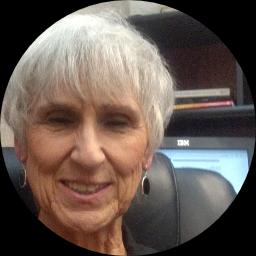
About Mary
She listens for strengths and practical steps a person can use right away. Sessions often include talking through difficult moments, learning simple skills to manage anxiety or depression, and paying attention to how thoughts and behaviors shape daily life. She also addresses caregiving strain, chronic illness, and end-of-life concerns in ways that honor each person’s experience.
Mary Helen uses a mix of approaches tailored to the person in front of her. That can mean client-centered listening, cognitive behavioral techniques to shift unhelpful thinking, brief motivational steps for change, or mindfulness practices to reduce reactivity. She may also incorporate hypnotherapy as part of the work when appropriate to the client’s goals.
Her long career gives her familiarity with a wide range of issues, from addiction and intimacy-related struggles to workplace stress and family conflict. She frames therapy as a collaborative process and helps people set realistic goals for change.
People who value calm, steady guidance and clear, practical tools tend to do well with her. If you are facing grief, caregiving duties, or a major life change, she aims to help you find manageable ways forward.
Areas of expertise
Primary focus
Also works with
Additional focus areas
Therapeutic approaches
Experience
48+ years
Credentials
Texas
Languages
English
Approaches that translate to online care
Client-centered therapy focuses on listening and helping people clarify what matters to them. It emphasizes empathy and understanding, and it helps when someone needs steady support during grief, caregiving, or major change.Cognitive behavioral therapy, or CBT, looks at how thoughts and actions affect mood. It teaches practical exercises to reduce anxiety and depression, such as testing unhelpful thoughts and building new habits. This approach often works well for stress, anger, and relationship concerns.
Mindfulness practices teach simple attention and breathing techniques to reduce reactivity and increase calm. These skills can help with anxiety, chronic pain, and coping with illness or end-of-life worries.
Finding the right approach is part of the work together. The therapist will review your goals and preferences and suggest which methods to try. Clients and therapist adjust methods when needed so the plan fits the person and the problem.
Confirm which session formats are offered before you book, as current options are listed during scheduling. Online sessions can make it easier to fit therapy into a busy day, allow shorter check-ins when needed, and reduce travel time. Many people find it simpler to attend consistently when sessions can fit around caregiving or work obligations.
Frequently asked questions
What kinds of problems does she help with?
She works with stress, anxiety, grief, depression, relationship and family problems, addictions, trauma and abuse, caregiver stress, and hospice and end-of-life concerns.
How would you describe her therapy style?
Her style is client-centered and practical. She listens, helps set goals, and teaches skills like cognitive strategies and mindfulness to manage symptoms.
How much experience does she have?
She brings 48 years of professional experience as a psychotherapist to her work.
What are her credentials and where does she practice?
She is a licensed marriage and family therapist, LMFT, and practices in Texas.
Are sessions available in other languages or internationally?
Sessions are offered in English and she is not currently accepting international clients.
What session formats are offered?
Please confirm current session options before booking so you know which formats are available for your needs.
How much do sessions cost?
Cost varies with location and therapist availability; sessions use a subscription that can be canceled at any time.
How do I begin working with her?
Select the Start Therapy button, complete a short matching questionnaire, and then schedule according to therapist availability.