- Addiction support
- Grief and loss
- Veteran issues
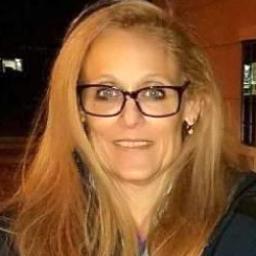
About Mary
Mary uses an adaptable, person-focused approach and draws on several evidence-informed methods to meet people where they are. She listens for what matters most and then works with each person to set clear, manageable goals. Sessions often include learning new coping skills, challenging unhelpful thinking, and practicing ways to rebuild daily routines and relationships.
Her background includes long-term work in behavioral health, substance use treatment, and community mental health. That experience shaped her ability to identify triggers and respond to crises. Mary has worked with diverse populations and values straightforward communication and cultural awareness.
Mary has particular experience with addiction and dual diagnosis, trauma and abuse, hospice and end-of-life counseling, and compassion fatigue. She also addresses co-occurring issues like codependency, process addictions, and family of origin concerns. Many people come to her for help with career changes, midlife transitions, and finding purpose.
Mary holds an Illinois LCPC credential. She works in Illinois and conducts sessions in English. To begin, prospective clients use the site's Start Therapy button and complete a brief matching questionnaire before scheduling.
Areas of expertise
Primary focus
Also works with
Additional focus areas
Therapeutic approaches
Experience
35+ years
Credentials
Illinois
Languages
English
How Mary’s Approaches Translate to Online Work
Acceptance and Commitment Therapy (ACT) focuses on helping people notice unhelpful thoughts and choose actions that reflect their values. It can be useful for depression, anxiety, and finding meaning after loss. Cognitive Behavioral Therapy (CBT) looks at patterns of thought and behavior and teaches concrete skills to change them, which helps with mood, addiction, and relationship problems. Eye Movement Desensitization and Reprocessing (EMDR) addresses traumatic memories by using structured processing to reduce their emotional intensity and can help when trauma underlies current symptoms.Choosing the right approach is a collaborative process. Mary will talk with each person about their goals, history, and what feels most comfortable. Together they decide which methods to try and adjust the plan as work progresses.
The biography does not specify which online session formats are offered, so confirm current options before booking. Online work can make it easier to fit therapy into a busy schedule, shorten travel time, and allow for flexible appointment times. It also makes regular check-ins and skill practice more convenient for people juggling work, caregiving, or recovery commitments. Licensed professionals can adapt ACT, CBT, and EMDR techniques to remote sessions while keeping the focus on goals and practical steps.
Frequently asked questions
What kinds of concerns can be addressed here?
Mary helps people with addiction, depression, bipolar disorder, grief, trauma, relationship and intimacy issues, and coping with big life changes.
What is her general therapy style?
She uses a person-centered, straightforward approach and adapts methods to each person. Sessions focus on practical steps and skills that fit daily life.
How much clinical experience does she have?
She brings 35 years of experience in behavioral health and substance use treatment, including work with veterans and first responders.
What credentials and location apply?
She holds an Illinois Licensed Clinical Professional Counselor credential (LCPC) and practices in Illinois.
Which languages are supported and can international clients join?
Sessions are offered in English and international clients are not currently accepted.
What session formats are available?
The original biography does not list specific session formats. Confirm current session options before booking.
How are fees handled?
Cost varies with location and therapist availability; sessions use a subscription that can be canceled at any time.
How do I begin working with her?
Use the Start Therapy button, complete a short matching questionnaire, and schedule according to therapist availability.