- Grief and loss
- Mind and body focus
- Client-directed pace
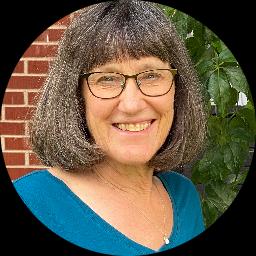
About Mary
Her work combines several approaches into a flexible plan. She uses client-centered methods so the person seeking help guides much of the pace and focus. Mary also draws on psychodynamic ideas to notice patterns from the past that affect present life.
She includes body-focused methods that pay attention to physical sensations and how the body holds stress. These somatic practices are used alongside trauma-focused strategies to address painful memories and their effects. The goal is to help people find relief in both thinking and sensing change.
Mary takes a whole-person stance, including mind, body, and spirit as each person defines them. She encourages practical steps during sessions and invites clients to experiment with what helps between visits. Her approach is steady and respectful, aiming to help people regain balance and clearer direction.
With hospice and end-of-life counseling included in her background, Mary brings experience supporting grief and related concerns in that context. She works collaboratively to identify goals and next steps, and appreciates the courage it takes to reach out for support.
Areas of expertise
Primary focus
Also works with
Additional focus areas
Therapeutic approaches
Experience
18+ years
Credentials
South Dakota
Languages
English
Therapeutic approaches that translate to online work
Mary often uses client-centered therapy, which focuses on listening and following the client's lead. In practice this means sessions start from your priorities and build small steps you can try between visits. Mindfulness therapy is another frequent tool; it teaches simple attention and breathing practices to lessen anxiety and improve presence in daily life. These practices are useful for stress, grief, and coping with change.Finding the right approach is part of the work. Mary will collaborate with each person to pick methods that fit their goals and preferences. That might mean leaning into body-focused exercises one week and more talking-based reflection the next. The plan can shift as needs change.
Session logistics should be confirmed before booking since formats are not specified here. Online therapy can make it easier to fit sessions into a busy week, allow shorter check-ins when needed, and remove travel time. It can also let people try practices in the spaces where they live and work, then bring observations back to the conversation. Ask about current session options when you start the matching process to find a setup that works for your schedule and needs.
Frequently asked questions
What kinds of concerns does Mary address?
She works with grief, life transitions, anxiety, depression, trauma and a range of relationship and parenting concerns. Additional focuses include hospice and end-of-life counseling, compassion fatigue, and aging-related issues.
How would you describe her therapeutic style?
Her style is client-centered and collaborative, letting the person guide much of the pace. She blends psychodynamic, somatic, and trauma-focused approaches to address thoughts, feelings, and bodily experience.
What is her professional background?
Mary has 18 years of experience as a psychotherapist, consultant, and hospice and hospital chaplain. That mix informs work with grief, serious illness, and end-of-life concerns.
Where is she licensed and based?
She is a Licensed Professional Counselor (LPC) practicing in South Dakota.
What languages are supported in sessions?
Sessions are offered in English.
Can people from other countries work with her?
She does not accept international clients at this time.
How are sessions paid for and what does cost look like?
Cost varies with location and therapist availability; sessions use a subscription that can be canceled at any time.
How do I begin working with her?
Start by selecting the Start Therapy button, completing a short matching questionnaire, and then scheduling according to therapist availability.