- 35 years experience
- Focus on addictions
- End of life support
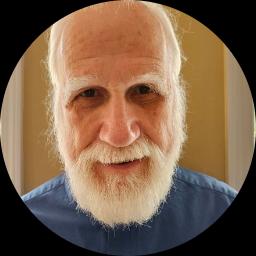
About Mark
Over 35 years he has worked in settings that shaped his skill with mood concerns and addiction. That experience informs how he helps people cope with panic, post-traumatic stress, and process addictions such as gambling or compulsive sexual behaviors. He also supports people facing midlife questions, isolation, and struggles with purpose.
Mark pays particular attention to caregiver stress and end-of-life concerns, including hospice and end-of-life counseling. He also helps people dealing with divorce, infidelity, forgiveness, and multicultural issues. His work aims to be practical and grounded, focusing on steps clients can use between sessions.
Conversations with him are meant to be collaborative. He listens first, then offers tools and suggestions drawn from cognitive-behavioral ideas and relationship-focused methods. His style is calm and straightforward, with an emphasis on respect, sensitivity, and compassion.
Mark holds the credential LCSW, which stands for Licensed Clinical Social Worker, and also lists CSW. He practices in Georgia and conducts sessions in English. To begin, people complete a short matching questionnaire and schedule a session based on availability.
Areas of expertise
Primary focus
Additional focus areas
Therapeutic approaches
Experience
35+ years
Credentials
Georgia
Languages
English
How CBT and Imago work in online therapy
Both cognitive behavioral therapy and Imago Relationship Therapy are practical ways to work through problems. CBT looks at how thoughts, feelings, and actions connect and teaches tools to change unhelpful patterns; it is often used for anxiety, depression, panic, and ADHD-related concerns. Imago Relationship Therapy focuses on how people connect in close relationships and offers structured conversations to repair communication and heal from conflicts.Finding the right approach is part of the work. The therapist will collaborate with each person to choose methods that match their goals and preferences. That process includes trying strategies, checking what helps, and adjusting as needs change.
Confirm the session formats offered before booking, since the profile does not list specific delivery methods. Online therapy can make it easier to fit sessions into a busy life by removing travel time, allowing shorter check-ins, or making scheduling across different locations simpler. It can also allow people to use tools and exercises between meetings that reinforce what was discussed in session.
Frequently asked questions
What concerns does he commonly address?
He helps people with stress, anxiety, addiction issues, relationship problems, depression, and ADHD. Additional areas include caregiver stress, hospice and end-of-life counseling, midlife concerns, and process addictions.
What is his general therapy style?
He uses a direct, respectful style and tailors discussion and goals to each person. Sessions focus on clear steps and tools people can use between meetings.
How much clinical experience does he have?
He has 35 years of professional experience working with mood, addiction, and relationship issues. That background shapes his practical approach to care.
What credentials and location are listed?
He holds LCSW and CSW credentials and practices in Georgia. These are the credentials provided in his profile.
In which languages can sessions be held?
Sessions are offered in English only according to the profile details.
Can people outside the U.S. work with him?
He is not accepting international clients at this time, so sessions are limited to those within his supported region.
How are fees and payment handled?
Cost varies with location and therapist availability. Sessions use a subscription that can be canceled at any time, as noted in the profile.
What are the steps to begin therapy?
Start by selecting the Start Therapy button and completing a short matching questionnaire. After that, schedule sessions based on the therapist's availability.