- Grief and loss
- Trauma informed care
- Practical coping skills
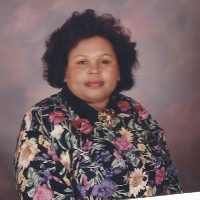
About Lynor
Her style is practical and interactive. Sessions often include clear, concrete steps and supportive conversation. She uses Cognitive Behavioral Therapy alongside a client-centered approach to help people notice patterns and try new ways of responding.
Dr. Jackson also uses narrative and trauma-focused ideas to help people make sense of difficult experiences. That can mean re-framing a painful story or focusing on coping skills for overwhelming moments. She aims to be compassionate while keeping work grounded and goal-oriented.
She has experience addressing a wide range of concerns, including caregiving stress, hospice and end-of-life counseling, addictions, relationship and intimacy issues, parenting struggles, and compassion fatigue. People who prefer straightforward guidance and steady support often do well with her approach.
Sessions move at a pace set by the person seeking help. Dr. Jackson explains options, suggests practical tools, and checks in about what is and is not working. She encourages people to try changes between visits and brings those results back into the session to guide next steps.
Areas of expertise
Primary focus
Also works with
Additional focus areas
Therapeutic approaches
Experience
30+ years
Credentials
California
Languages
English
How these approaches guide online work
Client-Centered Therapy focuses on listening and building on what matters to the person. The therapist offers empathy and reflection to help people clarify goals and feel understood. Cognitive Behavioral Therapy (CBT) looks at how thoughts and behaviors affect mood and functioning; it uses practical exercises and homework to test new ways of responding. Narrative Therapy helps people reframe and organize painful experiences so they feel less overwhelming and more manageable.Choosing the right approach is a collaborative process. The therapist will talk with the person about needs, goals, and preferences and then try methods that fit. If something does not help, she adjusts the plan and tries a different way of working together.
Please confirm current session options before booking, as formats are not specified here. Online sessions can make it easier to fit therapy into a busy life, reduce travel time, and allow shorter check-ins when needed. They can also support steady work through grief, trauma-related symptoms, caregiving stress, or life transitions without requiring you to reshape your whole schedule.
Frequently asked questions
What kinds of problems does this therapist help with?
She works with stress, anxiety, grief, depression, addictions, relationship and intimacy concerns, parenting and caregiver stress, hospice and end-of-life counseling, and related issues.
What is her approach in sessions?
She uses a practical, interactive style that blends client-centered conversation with Cognitive Behavioral Therapy and supportive techniques to set goals and try new coping strategies.
How much clinical experience does she have?
She brings approximately 30 years of experience supporting people through crisis intervention, grief, abuse, anxiety, and behavior change within educational and juvenile justice contexts.
What credentials and region does she represent?
She is a Licensed Clinical Social Worker (LCSW) practicing in California.
In what languages can sessions be held?
Sessions are offered in English.
Can people outside the U.S. work with her?
She does not accept international clients at this time.
How does payment and cost work?
Cost varies with location and therapist availability; sessions use a subscription model that can be canceled at any time.
How do I begin sessions?
Click the Start Therapy button, complete a short matching questionnaire, and schedule according to the therapist's availability.