- Compassionate listener
- Practical coping tools
- Focus on grief
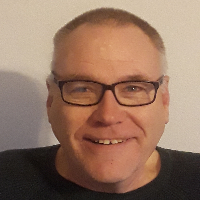
About Larry
Clients can expect a calm, non-judgmental space to talk through hard problems. He listens first, then offers practical tools to manage emotions, improve sleep, or reduce substance use. Work often includes setting small goals and practicing new skills between sessions.
Before private practice he worked in vocational rehabilitation and community mental health. That background shaped his focus on workplace challenges, communication problems, and rebuilding routine after illness or loss. He also supports people dealing with aging concerns, chronic illness, cancer, and hospice and end-of-life counseling.
His approach blends client-centered care with cognitive and behavioral methods. Techniques are chosen to match a person’s situation and simple enough to use day to day. He emphasizes clarity about what to try and why.
People seeking help for anger, relationship strain, codependency, or career questions will find concrete steps to try. He also offers coaching-style guidance for goal setting and life purpose work. Sessions aim to help people feel steadier and more able to handle what comes next.
Areas of expertise
Primary focus
Also works with
Additional focus areas
Therapeutic approaches
Experience
30+ years
Credentials
Wisconsin
Languages
English
How therapeutic approaches guide online work
Acceptance and Commitment Therapy, or ACT, focuses on helping people notice painful thoughts and feelings without getting stuck in them. It teaches values-based action so clients can take small steps toward what matters even while feeling difficult emotions. Cognitive Behavioral Therapy, or CBT, breaks problems into thoughts, feelings, and actions and uses practical exercises to shift unhelpful patterns. It is often used for anxiety, depression, sleep problems, and low mood.Finding the right approach is part of the work. The therapist will talk with a client about their goals and preferences and then try techniques that fit those needs. That collaborative process may combine elements from different approaches until a useful plan emerges.
Specific online session formats are not listed in the biography, so confirm current options before booking. In general, remote sessions can make it easier to fit therapy into a busy day, allow shorter check-ins when needed, and reduce travel time. They also let people practice skills in real-life settings and bring concrete problems from daily routines into the session for immediate feedback.
Frequently asked questions
What concerns does he commonly address?
Larry focuses on stress, anxiety, depression, addictions, grief, sleep problems, anger, and coping with life changes. He also works with issues such as career struggles, compassion fatigue, and hospice and end-of-life counseling.
What is his therapy style like?
His style is client-centered and practical. He listens closely, then suggests clear exercises and skills to try between sessions.
How much clinical experience does he have?
He has 30 years of experience working in settings like vocational rehabilitation and community mental health. That background informs how he helps with workplace and life-transition issues.
What credentials and location are listed?
He is a licensed professional counselor, LPC, practicing in Wisconsin. The profile lists Wisconsin as his practice region.
Which languages are offered for sessions?
Sessions are offered in English.
Are international clients accepted?
International clients are not currently accepted.
How are costs handled?
Session cost varies with location and therapist availability, and services are billed through a subscription that can be canceled at any time.
What are the first steps to begin?
To begin, select the Start Therapy button, complete a short matching questionnaire, and schedule according to therapist availability.