- Grief and loss support
- Relationship communication
- Practical coping tools
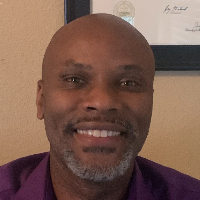
About Lance
He aims to build a respectful, calm space where people can speak freely about hard topics. Sessions focus on clear, practical steps and honest conversation. The tone is thoughtful and compassionate, and he listens for the concerns that matter most to each person.
Dr. Smith often blends approaches to match a person's needs. He uses elements of cognitive behavioral therapy to help change unhelpful thinking and behavior. He draws on attachment-based ideas to look at how early relationships shape current patterns. He also uses client-centered and solution-focused techniques that support short-term goals and clearer communication.
People who come to him for relationship work may also use Gottman method ideas to improve communication and connection. When grief, trauma, or end-of-life issues are present, sessions center on pacing, coping skills, and meaning-making at the client’s pace. He tailors each plan to the situation rather than following one single method.
Dr. Smith holds the LMFT credential and practices in California. He works with adults, individuals, and couples, helping them develop skills to manage emotions, restore connections, and navigate difficult life changes.
Areas of expertise
Primary focus
Also works with
Additional focus areas
Therapeutic approaches
Experience
25+ years
Credentials
Oklahoma, Utah, California
Languages
English
How his approaches guide online care
Attachment-based therapy looks at how early bonds shape current relationships and patterns. It helps people understand why they react a certain way in close relationships and supports changes in connection and trust.Client-centered therapy focuses on listening and understanding. The therapist follows the person’s lead, reflecting feelings and encouraging self-directed solutions for problems like anxiety or grief.
Cognitive behavioral therapy (CBT) helps identify unhelpful thoughts and habits and replace them with more useful ones. It is often used for anxiety, depression, and coping with life changes by setting clear, practical tasks between sessions.
Finding the right mix of approaches is part of the work. The therapist collaborates with each person to choose methods that match their goals, needs, and comfort level. That process may shift over time as goals change.
Confirm current online session options before booking, since the biography does not list specific formats. Online work can make it easier to fit sessions into a busy schedule, reduce travel time, and allow brief check-ins when a short session would help. It also lets people keep momentum between in-person visits if that fits their life better.
Frequently asked questions
What concerns does Dr. Smith commonly address?
He works with stress, anxiety, relationship problems, depression, addictions, trauma, and grief. He also supports people with ADHD, intimacy issues, and hospice and end-of-life counseling.
How would you describe his therapeutic style?
He keeps sessions direct and compassionate, focusing on practical steps and honest conversation. The work often combines problem-solving with deeper attention to feelings and relationships.
What experience does he bring to therapy?
He has 25 years of clinical experience working with individuals, couples, and families on a wide range of concerns. That background informs both short-term and longer-term approaches.
What credentials and region are listed?
He holds the LMFT credential and practices in California. License details are provided as CA LMFT and OK LMFT in his profile materials.
Which languages are sessions offered in?
Sessions are offered in English.
Can people outside the United States work with him?
He does not accept international clients at this time.
How are sessions paid for and what does cost look like?
Cost varies by location and therapist availability, and sessions use a subscription that can be canceled at any time. Specific pricing depends on the subscription plan chosen.
What is the first step to begin therapy?
Use the Start Therapy button, complete a short matching questionnaire, and schedule based on the therapist's availability. That process connects you and sets the first appointment.