- Trauma informed
- Grief and loss
- Attachment focus
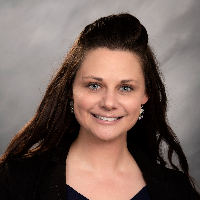
About Kylie
In sessions she focuses on building self-awareness so clients can better understand their thoughts, feelings, and actions. She pays attention to attachment patterns, existential questions, and the ways trauma shapes behavior. Conversations aim to illuminate unhelpful beliefs and reactive patterns rather than label someone as broken.
Her work often supports people coping with stress, anxiety, depression, addiction, relationship and intimacy concerns, and grief. She also addresses caregiver strain, body image, blended family issues, and challenges related to alternative sexual cultures such as kink and BDSM. Practical, compassionate conversations are used to map how past experiences affect present choices.
Dr. Rogalla combines ideas from attachment-based approaches, existential thinking, Jungian perspectives, trauma-focused methods, EMDR, and relationship work influenced by the Gottman Method. She describes therapy as collaborative and exploratory, with emphasis on feeling heard and understood.
People looking to begin are encouraged to consider what they want to change and to bring those goals to the first sessions. Her teaching and supervision roles keep her practice informed by current research and clinical developments.
Areas of expertise
Primary focus
Also works with
Additional focus areas
Therapeutic approaches
Experience
14+ years
Credentials
Colorado
Languages
English
How attachment, EMDR, and existential ideas fit online care
Attachment-Based Therapy looks at how early relationships shape expectations and reactions in adult life. It helps people understand relationship patterns and build different ways of relating to others. EMDR, or Eye Movement Desensitization and Reprocessing, is a trauma-focused method that works with distressing memories to reduce their emotional intensity and change how they are stored in memory. Existential Therapy focuses on meaning, choice, and facing big life questions; it can help when life events trigger anxiety about purpose, loss, or identity.Finding the right approach is part of therapy. The therapist will talk with each person about goals, history, and preferences to decide which methods to try. That process is collaborative and may use more than one approach as needs become clearer.
Please confirm current session options before booking since formats are not listed in this biography. Online therapy can make it easier to fit sessions around daily life, reduce travel time, and allow a quicker check-in during a busy day. It can also help when someone prefers not to commute or needs a shorter appointment during a work break. Licensed professionals can adapt attachment work, EMDR, and existential conversations to remote sessions, and the therapist will discuss how to structure sessions so they match the client's needs and circumstances.
Frequently asked questions
What issues does she commonly help with?
She helps people managing stress, anxiety, depression, grief, and compassion fatigue. She also works with concerns like addiction, relationship and intimacy issues, and caregiver stress.
How would you describe her therapy style?
Her style is collaborative and exploratory. Sessions focus on increasing self-awareness and understanding why thoughts and behaviors happen.
What is her professional background?
She has 14 years of experience that include work in emergency non-profit shelters and school-based settings, plus roles in counselor education and supervision.
What credentials and location are on record?
She holds the LPC credential and practices in Colorado.
Which languages are supported for sessions?
Sessions are offered in English.
Are international clients accepted?
International clients are not currently accepted.
How are fees and billing handled?
Cost varies with location and therapist availability, and sessions use a subscription that can be canceled at any time.
What should I do to begin working together?
Click the Start Therapy button, complete a short matching questionnaire, and schedule according to therapist availability.