- Strengths focused
- Grief and hospice
- Practical skills
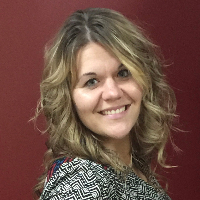
About Kerre
She keeps sessions focused on building trust and understanding. Kerre centers the relationship on unconditional positive regard and a calm, respectful presence. She highlights a person’s strengths and skills, and helps them apply those tools to day-to-day problems.
Her academic background includes a Master of Arts in Clinical Mental Health Counseling and a Certificate in Trauma Studies from Regent University. Kerre also holds a Master of Divinity from Regent University. Over roughly eight years in the helping professions she has worked in inpatient settings, schools, hospitals, and outpatient care.
In therapy she blends practical methods people can use between sessions. Techniques come from client-centered work, cognitive behavioral ideas, acceptance and commitment practices, attachment perspectives, and skills from dialectical behavior therapy. Sessions aim to identify patterns, try small changes, and build coping skills.
Kerre invites clients to explore purpose, healing, and growth at a pace that fits them. She emphasizes realistic goals and concrete steps. Those seeking help with grief, hospice-related concerns, caregiver stress, or life transitions can expect focused, compassionate support.
Areas of expertise
Primary focus
Also works with
Additional focus areas
Therapeutic approaches
Experience
8+ years
Credentials
Michigan
Languages
English
How Kerre’s approaches translate to online care
Acceptance and Commitment Therapy (ACT) helps people notice their thoughts and choose actions that match their values. It is useful for anxiety, depression, and decision-making when life feels overwhelming. Cognitive Behavioral Therapy (CBT) focuses on spotting unhelpful thinking and testing small behavioral changes to get different results, which can help with mood, sleep, and anxiety. Attachment-Based Therapy looks at how early relationships shape current patterns and helps people build healthier ways to connect and cope with loss and caregiving stress.Choosing the right approach is a collaborative process. Kerre will listen to your goals and try out methods that fit your needs. Together you and the therapist will adjust techniques over time so the work feels practical and relevant.
The therapist’s biography does not list specific online session formats, so confirm current options before booking. Online work can make it easier to fit sessions into a busy week, reduce travel time, and allow shorter check-ins when needed. It also lets people continue care while managing caregiving duties, medical challenges, or relocation. Licensed professionals can use telehealth to share worksheets, practice skills in real life, and follow progress between meetings, helping therapy stay connected to everyday life.
Frequently asked questions
What concerns does Kerre help with?
She supports people coping with grief, stress, anxiety, depression, self-esteem, addictions, trauma, bipolar mood concerns, and related issues like caregiver strain and chronic illness.
What is her therapeutic style like?
Kerre centers the relationship on trust and unconditional positive regard. She focuses on strengths, practical skills, and steady, respectful support during hard times.
What experience does she bring?
Kerre has about eight years in the helping professions, including inpatient work, school counseling, hospital crisis work, and outpatient individual therapy.
What credentials and location are listed?
She is a Licensed Professional Counselor (LPC) licensed in Michigan and is located in Michigan.
Which languages are available for sessions?
Sessions are offered in English and she accepts clients from other countries when appropriate.
What session formats are offered?
The original biography does not list specific session formats, so please confirm current session options before booking.
How are fees and payment handled?
Cost varies with location and therapist availability; sessions use a subscription that can be canceled at any time.
How do I get started with therapy?
Select the Start Therapy button, complete the short matching questionnaire, and schedule appointments according to the therapist's availability.