- Person-centered care
- Practical coping skills
- End-of-life focus
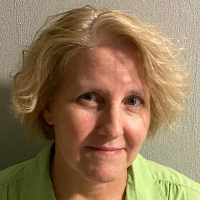
About Kelley
Kelley draws on a person-centered attitude and aims to meet people where they are. Sessions focus on listening first, then building practical ways to cope with difficult feelings. She blends cognitive-behavioral ideas with psychodynamic and solution-focused elements to tailor each plan to the person in front of her.
Her background includes work across many settings over 17 years, such as private homes, nursing homes, correctional facilities, and traditional offices. That range has shaped a flexible, down-to-earth style that adapts to different needs and life situations.
In meetings she emphasizes respect, kindness, and realistic goals. People can expect clear, straightforward conversation about what’s causing distress and what steps might help. Kelley aims to support people in building steady routines, managing symptoms, and finding practical solutions.
First steps can feel hard, and Kelley frames the process as collaborative. She asks questions, listens closely, and helps people set achievable goals they can work toward between sessions.
Areas of expertise
Primary focus
Also works with
Additional focus areas
Therapeutic approaches
Experience
17+ years
Credentials
New Jersey
Languages
English
Therapeutic approaches and online care
Client-centered therapy focuses on listening and valuing each person's perspective. It helps when someone needs a nonjudgmental space to work through grief, caregiver stress, or major life change. Cognitive Behavioral Therapy, or CBT, looks at how thoughts affect feelings and behavior and offers step-by-step techniques for anxiety, depression, and stress. Mindfulness therapy teaches simple ways to notice the present moment and reduce reactivity, which can be useful for compassion fatigue and ongoing worry.Choosing the right approach is a shared process. The therapist will ask about your goals, try methods that fit your needs, and adjust the plan based on what helps. Expect collaboration on which techniques to try and regular check-ins about progress and goals.
The original biography does not list specific online session formats, so confirm current options before booking. In general, online sessions can make it easier to fit therapy into a busy life by saving travel time, allowing shorter check-ins when needed, and letting people join from different locations. These practical benefits can help maintain consistency in care and make follow-up work more manageable without promising a particular delivery method.
Frequently asked questions
What kinds of concerns does Kelley address?
She helps people with stress, anxiety, grief, depression, anger, self-esteem, relationship and family issues, and career worries. Additional focus areas include caregiver stress, aging and geriatric issues, hospice and end-of-life counseling, OCD, social anxiety, and traumatic brain injury.
What is her style in sessions?
Kelley uses a person-centered approach and listens carefully before suggesting next steps. She mixes practical strategies with reflective conversation to help people identify realistic goals.
How much clinical experience does she have?
Kelley has 17 years of experience across a range of settings, including nursing homes, private homes, correctional facilities, and traditional offices.
What credentials and region are listed?
She is a Licensed Clinical Social Worker, LCSW, credentialed in New Jersey and practices in that state.
Which languages are supported for sessions?
Sessions are offered in English.
What session formats are available?
The original biography does not specify session formats, so confirm current options before booking to learn which formats are offered.
How does pricing work for sessions?
Cost varies with location and therapist availability; sessions are provided through a subscription that can be canceled at any time.
How do I get started with therapy?
Click the Start Therapy button, complete a short matching questionnaire, and schedule according to the therapist's availability.