- Focus on practical coping
- Support for LGBT matters
- Grief and trauma care
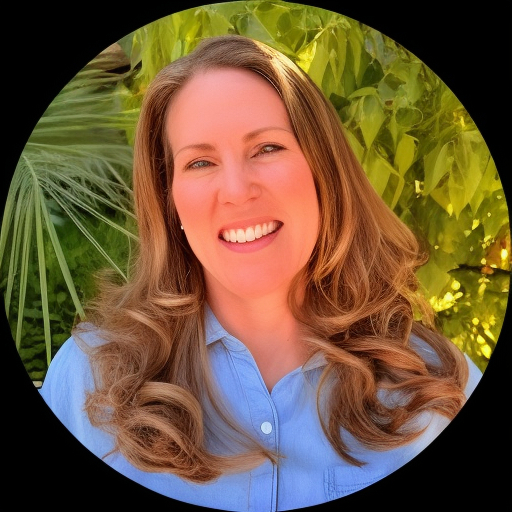
About Katherine
She draws on social work values like service, dignity, and integrity in sessions. Katherine focuses on what matters most to the person in front of her, using approaches grounded in evidence and shaped by the client's goals. Conversations are practical and direct, with attention to how daily routines, relationships, and past hurts affect present well-being.
Her background includes work with people experiencing grief and with those affected by justice or veteran systems, as noted in her experience. Katherine also supports people with attachment disruptions, caregiving stress, chronic health challenges, and a range of relationship or identity concerns. She brings four years of clinical practice to these areas.
Katherine holds the credential LCSW, which stands for Licensed Clinical Social Worker, with licenses in Nevada and New York. She offers sessions in English and asks people to confirm current session options before scheduling. To begin, a short matching questionnaire helps align a person's needs with scheduling and therapist fit.
Sessions are focused on helping people make manageable changes, reduce daily strain, and find clearer ways to cope. Katherine emphasizes respect and steady support while people work toward their goals.
Areas of expertise
Primary focus
Additional focus areas
Experience
4+ years
Credentials
New York, Nevada
Languages
English
Approaches and how they work online
Evidence-based approaches focus therapy on workable change. One approach commonly used combines structured problem-solving and skills practice to reduce anxiety and manage stress. It helps people break problems into steps, build coping skills, and test new behaviors in everyday life.Another useful approach focuses on processing trauma and building safety in relationships. This work often involves revisiting difficult memories at a pace the person can manage, while learning ways to handle strong emotions and improve trust with others.
Choosing the right approach is a collaborative process. The therapist will talk with the person about goals, what has helped or not helped before, and practical limits like time or energy. Together they decide which methods to try and adjust them as progress is made.
Confirm session formats before booking so you know what options are available. Online therapy can make it easier to fit sessions into a busy life, shorten commute time, and allow check-ins from different locations. It can also make some visits simpler when a shorter phone or video check-in is all that’s needed. Ask about current session options when you begin scheduling.
Frequently asked questions
What kinds of concerns does Katherine help with?
Katherine works with people facing stress, anxiety, depression, grief, trauma, and identity questions related to gender and sexual orientation, as well as related issues like self-esteem and caregiver stress.
What is her general therapy style?
She uses person-centered, evidence-based approaches with a practical focus, prioritizing clear steps people can use in daily life and conversations that honor each person's experience.
How much clinical experience does she have?
She brings four years of clinical practice experience working with trauma, grief, identity concerns, and people impacted by veteran or justice systems.
What credentials and location are listed?
She holds the credential LCSW, Licensed Clinical Social Worker, and is licensed in Nevada and New York; her practice is based in Nevada.
In which languages can sessions be held?
Sessions are offered in English.
Can people outside the United States connect with her?
International clients are not currently accepted; people should plan for sessions within her licensed jurisdiction.
How are session costs handled?
Cost varies with location and therapist availability; sessions use a subscription model that can be canceled at any time.
What do I need to do to start therapy?
Click the Start Therapy button, complete a short matching questionnaire, and then schedule sessions according to the therapist's availability.