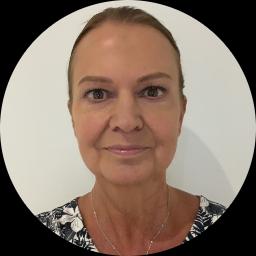
- Calm practical support
- Bereavement experience
- Mindfulness and ACT
About Kate
Her work blends acceptance and commitment ideas, cognitive approaches, and client-centred listening. Sessions are calm and straightforward. She focuses on practical steps and on helping people notice what matters to them.
Kate has particular experience supporting people with grief and bereavement and has worked as a support worker and supervisor for Cruse. She also has links with Anxiety UK and a long-standing interest in anxiety and confidence. These threads inform how she supports people facing loss, serious illness, or life transitions.
People often come for help with stress, low mood, sleeping and eating concerns, addiction and coping with big life changes. Kate also supports those dealing with relationship and intimacy questions, parenting stresses, career strain, and compassion fatigue. Additional focus areas include cancer, fertility issues and hospice and end-of-life counselling.
Her approach is flexible and collaborative. She works with each person to choose techniques that fit their situation - whether that means practical cognitive exercises, mindfulness, or guided relaxation. The emphasis is on steady progress and clear next steps.
Areas of expertise
Also works with
Additional focus areas
Therapeutic approaches
Experience
10+ years
Credentials
NCPS · United Kingdom
Languages
English
How her approaches translate to online counselling
Acceptance and Commitment Therapy (ACT) helps people clarify what matters to them and take small steps towards those values. It often feels useful for grief, anxiety and life changes because it focuses on living well despite difficult thoughts and feelings. Cognitive Behavioural Therapy (CBT) centres on noticing unhelpful thinking patterns and testing new behaviours. It is practical and can help with low mood, anxiety, sleep and eating concerns. Client-Centred Therapy offers a listening, non-judgemental space where the person sets the pace and the focus. This approach supports people through bereavement and major life decisions.Finding the right blend of approaches is part of the work. The therapist will discuss goals and preferences and try methods that fit the person's needs. Decisions about technique are collaborative, and can change as progress is made.
Practical benefits of online therapy include fitting sessions around work and family commitments and avoiding travel time. Online meetings can make it easier to keep regular short check-ins or to use guided exercises at home. The original biography does not list which session formats are offered, so confirm available session types before booking to make sure they suit your routine.
Frequently asked questions
What concerns does Kate commonly address?
She helps with stress, anxiety, grief, depression, self-esteem and coping with life changes, plus relationship and intimacy issues and practical problems like sleep, eating and career stress.
What is her therapeutic style?
Her style is warm and open, blending client-centred listening with techniques from cognitive work, acceptance and commitment ideas, mindfulness and hypnotherapy when appropriate.
How long has she been practising?
Kate has around ten years of clinical experience and a background in psychology and social psychology.
What qualifications and location are listed?
She is listed with the NCPS credential and is based in the United Kingdom.
Which languages are supported and can international clients book?
Sessions are offered in English and international clients are not currently accepted.
What session formats are available?
The original biography does not specify session formats; please confirm current session options with the service before booking.
How are costs handled?
Cost varies with location and therapist availability; sessions use a subscription that can be cancelled at any time.
What are the steps to begin working together?
Select the Start Therapy button, complete a short matching questionnaire, and then schedule sessions according to the therapist's availability.