- Grief and loss
- Caregiver stress
- Relationship help
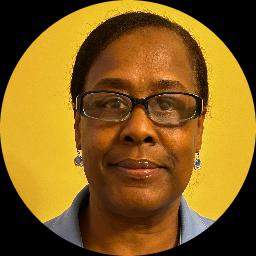
About Kamala
She listens first and adapts the approach to fit each person's needs. Sessions focus on practical steps people can use between meetings, as well as understanding deeper patterns that affect mood and relationships. Kamala works with issues such as abandonment, attachment concerns, blended family adjustments, and divorce or separation.
Her background includes long-term clinical work with people managing cancer, pet loss, aging and geriatric issues, and hospice and end-of-life counseling. She also supports people dealing with isolation, emptiness, guilt, and first responder stress. Her goal is to help people find clearer direction and more manageable routines during hard times.
Kamala uses a mix of approaches to suit the person in front of her. She draws on client-centered listening, cognitive behavioral ideas to change unhelpful thoughts and behaviors, and psychodynamic exploration of past influences. She also uses solution-focused and trauma-informed methods when they fit the situation.
Starting therapy with Kamala involves a short intake to set goals and priorities. She aims to meet people where they are and build a plan that feels realistic and hopeful.
Areas of expertise
Primary focus
Additional focus areas
Therapeutic approaches
Experience
20+ years
Credentials
New York
Languages
English
How therapeutic approaches translate to online work
Client-Centered Therapy emphasizes listening and responding to what matters most to the person. In practice this means the therapist follows the client's lead, reflects feelings, and helps the person clarify goals and values. Cognitive Behavioral Therapy, or CBT, focuses on identifying unhelpful thoughts and testing new behaviors that can reduce distress and improve daily functioning. These methods often help with grief, low mood, and coping during life changes.Finding the right approach is a collaborative process. The therapist will talk with each person about goals, preferences, and what has or hasn't helped before. Together they decide whether to use more listening-focused work, behavioral strategies, or a mix tailored to the situation.
The biography does not list specific session formats, so please confirm the available options before booking. In general, online sessions can make it easier to fit counseling into a busy day, shorten travel time, and allow for quicker check-ins during a work break. They can also let people meet from a location that offers quieter surroundings or lower distraction, and make it simpler to continue support during major life transitions.
Frequently asked questions
What concerns does Kamala commonly address?
She works with grief, relationship problems, low self-esteem, coping with life changes, and compassion fatigue. Additional focuses include caregiver stress, cancer-related issues, and hospice and end-of-life counseling.
How would you describe her therapeutic style?
Her style centers on listening first and tailoring the plan to each person. Sessions blend practical tools with reflection on deeper patterns that affect mood and relationships.
What is her clinical background and experience?
Kamala has practiced for 20 years in clinical settings that included work with caregiving needs, loss, life transitions, and stress related to work and family roles.
What credentials and location are listed?
She holds the LCSW-R credential and works in New York.
In which languages are sessions offered and are international clients accepted?
Sessions are offered in English. International clients are not currently accepted.
What session formats are available?
The original biography does not specify session formats. Please confirm current session options before booking.
How are fees handled for sessions?
Cost varies with location and therapist availability, and sessions use a subscription that can be canceled at any time.
How do I begin working with Kamala?
Use the Start Therapy button, complete a short matching questionnaire, and schedule according to therapist availability.