- Solution-focused work
- End-of-life support
- Disaster response experience
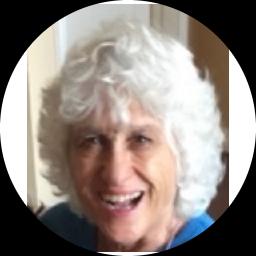
About Judy
She uses a practical, solution-focused approach that centers a person’s strengths. Sessions focus on small, achievable steps and clearer next moves rather than long plans. Judy aims to make conversations straightforward and useful from the first meeting.
Her background includes roles as an educator, community organizer, mediator, trainer, and social worker in urban settings such as Chicago, Milwaukee, and Washington, D.C. That variety shaped a flexible style that adapts to different needs and situations.
Judy has extensive experience responding to disasters and humanitarian crises, and she has volunteered with national disaster responses for many years. That work informs how she supports people through sudden change, loss, and high stress.
She has also done international work in many countries, contributing to community and individual projects overseas. Judy encourages people to use their own strengths as the starting point for change and offers steadiness while they take the next step.
To begin, she asks people to identify realistic goals and then works with them to build simple strategies. Conversations aim to be respectful, direct, and focused on what will help now.
Areas of expertise
Also works with
Additional focus areas
Therapeutic approaches
Experience
35+ years
Credentials
District of Columbia
Languages
English
How solution-focused work fits with online therapy
Solution-Focused Therapy centers on identifying practical goals and the small steps that move a person toward them. It asks what is already working, builds on existing strengths, and looks for quick, realistic changes to daily routines. This approach can help with stress, grief, life transitions, and relationship communication.Finding the right approach is part of the process. The therapist works collaboratively to decide which methods suit a person’s needs, goals, and preferences. Conversations begin by clarifying what the client hopes to change and then testing short-term steps to see what helps.
The original biography does not list specific session formats, so confirm current options before booking. Online therapy can make it easier to fit sessions into a busy life, reduce travel time, and allow check-ins during breaks or between commitments. It can also support regular follow-up when circumstances make in-person meetings difficult. Licensed professionals can adapt solution-focused techniques to work in conversation, whether sessions are brief problem-solving check-ins or longer talks about grief and life purpose.
Frequently asked questions
What concerns does Judy address?
She helps people with stress, anxiety, grief, depression, self-esteem, parenting challenges, relationship issues, and coping with life changes. Hospice and end-of-life counseling is also listed among her focus areas.
What is her therapeutic style like?
Her work emphasizes solution-focused methods that aim for clear, manageable next steps. Sessions tend to be practical and goal-oriented rather than lengthy explorations.
How much experience does she have?
Judy has 35 years of professional experience across social work, education, mediation, and community organizing.
What credentials and location information are available?
She holds the LICSW credential and practices in the District of Columbia.
Which languages are offered and are international clients supported?
Sessions are offered in English, and international clients are accepted.
What session formats are offered?
The original biography does not specify session formats; please confirm current session options before booking.
How are fees and payment handled?
Cost varies with location and therapist availability, and sessions use a subscription that can be canceled at any time.
How do I start a first appointment?
Select the Start Therapy button, complete the short matching questionnaire, and schedule according to therapist availability.