- Stress and anxiety
- End-of-life concerns
- Faith-informed care
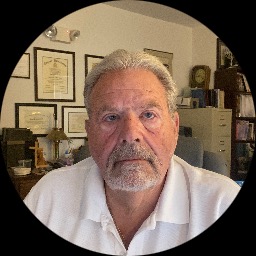
About James
He aims to create an open, nonjudgmental space where clients can talk through thoughts and feelings. Sessions focus on practical steps people can use between meetings. When a client's Christian faith is part of their life, he includes that dimension in the work when requested.
Over nearly three decades in both public and private settings, he has worked with concerns such as caregiver stress, communication problems, divorce and separation, and issues tied to adoption and foster care. He also addresses fatherhood questions, guilt and shame, and life purpose work. Veterans and people connected to the armed forces, along with those affected by Seasonal Affective Disorder, are among the topics he has experience with.
James tends to keep things straightforward and goal-focused. He helps people set small, manageable steps and tracks progress together. Taking the first step can be hard, and he acknowledges that courage when someone starts therapy.
To begin, clients follow the site's Start Therapy process and complete a short matching questionnaire. Scheduling is then arranged in line with the therapist's availability.
Areas of expertise
Primary focus
Additional focus areas
Experience
27+ years
Credentials
North Carolina
Languages
English
Practical approaches for stress, grief, and life changes
James describes his work as straightforward and evidence based, using techniques that focus on clear steps people can take. One common approach helps people identify unhelpful thinking patterns and shift toward more balanced thoughts to reduce anxiety and low mood. This method is useful for stress, depression, and self-esteem concerns. Another approach emphasizes building small, concrete behavioral changes like activity planning and problem solving to improve daily functioning and coping during major life transitions, including end-of-life planning and caregiving stress.Finding the best approach is a collaborative process. The therapist will talk with the client about goals, preferences, and what has or hasn't helped before. Together they decide which techniques to try and adjust the plan as progress is made or needs change.
Session formats are not specified in the biography, so confirm current options before booking. Online work can make it easier to fit sessions into a busy schedule, shorten check-ins when needed, and avoid travel time. It can also help people maintain continuity of care during moves or when dealing with caregiving duties. Licensed professionals can help tailor session length and focus to fit daily life while keeping therapy practical and goal oriented.
Frequently asked questions
What kinds of problems does he help with?
He works with stress, anxiety, depression, self-esteem, relationship struggles, and coping with life changes, including hospice and end-of-life concerns.
What is his therapeutic style like?
He creates an open, nonjudgmental space and focuses on practical steps clients can use between sessions.
How long has he been practicing?
He brings 27 years of professional experience from work in both public and private settings.
What are his credentials and where is he located?
He is a LCMHC licensed in North Carolina and practices from that state.
Which languages are supported for sessions?
Sessions are offered in English.
Can people outside the U.S. work with him?
International clients are not currently accepted.
How are fees handled?
Cost varies with location and therapist availability, and sessions use a subscription that can be canceled at any time.
How do I start therapy with him?
Choose the Start Therapy button, complete the short matching questionnaire, and then schedule according to the therapist's availability.