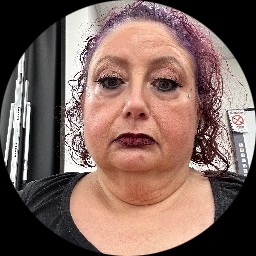
- 30 years experience
- Focus on relationships
- Supports LGBTQ concerns
About Glenda
Her style is collaborative and practical. She listens closely and adapts conversation and goals to each person's needs. Sessions focus on clear, manageable steps you can try between meetings and on understanding how past attachments shape current reactions.
Glenda uses approaches such as attachment-based work to map relationship patterns and cognitive behavioral techniques to address unhelpful thoughts and behaviors. She also draws on emotion-focused tools to help people name and shift painful emotions and on dialectical skills to build tolerance for intense feelings.
She has worked with trauma, grief, and complex concerns including obsessions, compulsions, jealousy, infidelity, personality issues, and multicultural stress. Hospice and end-of-life counseling is listed among her focus areas, and she has experience supporting people facing loss and the emotional demands that come with serious illness and caregiving.
Sessions are offered in English and she accepts international clients. Glenda aims to make the process straightforward: listen, set reachable goals, and adjust the plan as progress is made.
Areas of expertise
Primary focus
Additional focus areas
Therapeutic approaches
Experience
30+ years
Credentials
California
Languages
English
How her approaches guide online work
Glenda often uses attachment-based work to map how early relationships shape current patterns. This helps when worries or relationship conflict repeat in ways that feel stuck. Cognitive Behavioral Therapy focuses on noticing and changing thoughts and behaviors that keep stress and anxiety active; it is useful for practical symptom relief and day-to-day coping.Finding the right approach is part of the work together. She will talk with each person about needs, goals, and preferences. Then she and the client decide which methods to emphasize and adjust as goals change, keeping the plan flexible and collaborative.
The original biography does not list specific session formats, so confirm the available online options before booking. In general, online therapy can make it easier to fit sessions into busy schedules, reduce travel time, and allow shorter check-ins when a full appointment is not needed. It can also help when quieter surroundings or limited bandwidth are factors, since different formats can be chosen to match practical needs.
Frequently asked questions
What concerns does she commonly address?
She works with stress, anxiety, depression, trauma and abuse, relationship issues, and LGBTQ matters. Additional focuses include first responder and veteran issues, gender dysphoria, OCD, jealousy, infidelity, and hospice and end-of-life counseling.
What is her therapeutic style like?
Her approach is collaborative and respectful. She listens, tailors conversations to each person, and sets practical steps to try between sessions.
How much experience does she have?
She has 30 years of professional work experience in clinical settings in California.
What credentials and region are listed?
She is a Licensed Marriage and Family Therapist, LMFT, licensed in California.
Which languages are supported for sessions?
Sessions are offered in English. She also accepts international clients.
What session formats are available?
The original biography does not specify session formats; please confirm current session options with the service before scheduling.
How are fees and payment handled?
Cost varies with location and therapist availability, and sessions use a subscription that can be canceled at any time.
How do I start working with her?
Select the Start Therapy button, complete the short matching questionnaire, and schedule according to therapist availability.