- Person-centered care
- Mindfulness tools
- End-of-life support
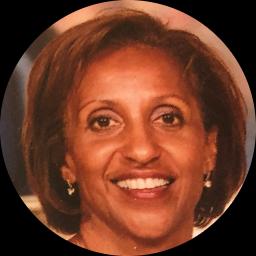
About Gayle
She draws on client-centered therapy to listen for what matters most to each person and to build goals that fit real life. Mindfulness therapy is used to help reduce anxiety, manage strong emotions, and improve sleep. These approaches are practical and aimed at easing daily struggles rather than relying on jargon.
Gayle has long experience supporting people through grief and end-of-life concerns, and she also addresses relationship strain, trauma and abuse, addiction-related issues, and caregiver stress. She helps people facing attachment and family-of-origin problems, blended family adjustments, and parenting or fatherhood challenges. Issues such as low self-esteem, anger, intimacy questions, and commitment concerns are also within her focus.
Her credentials include LCSW-C in Maryland and LICSW in the District of Columbia, and she brings 27 years of clinical work to each session. Gayle aims to make therapy a collaborative process where clients set the pace and priorities.
To begin, she asks people to consider what they want to change and to take the first step by completing a short matching questionnaire. From there scheduling is arranged to match the person's needs and preferences.
Areas of expertise
Primary focus
Also works with
Additional focus areas
Therapeutic approaches
Experience
27+ years
Credentials
Maryland, District of Columbia, Virginia
Languages
English
How client-centered and mindfulness approaches work online
Client-centered therapy focuses on listening and building goals that come from the client's own priorities. The therapist creates space for people to tell their story, reflect on strengths, and decide what to change. This approach helps with relationship problems, family issues, and navigating grief.Mindfulness therapy teaches simple practices to notice thoughts and bodily reactions without judgment. These skills can reduce anxiety, improve sleep, and help manage intense emotions after loss or trauma. Short mindfulness exercises are often used between sessions to shift day-to-day responses.
Finding the right approach is a collaborative process. The therapist will talk with each person about their needs, goals, and what feels helpful. Together they will try techniques and adjust the plan so therapy fits the person's life and pace.
Session formats are not specified in the biography, so confirm current options before booking. Online work can make it easier to fit therapy around work, caregiving, or medical appointments and can reduce travel time. It also allows for shorter check-ins when people need a brief update rather than a full session, and it makes it simpler to maintain continuity of care during life transitions.
Frequently asked questions
What kinds of concerns are addressed here?
This practice helps with grief and end-of-life counseling as well as stress, anxiety, relationship strain, trauma and abuse, addictions, and caregiver stress.
How would you describe the therapeutic style?
The work is client-centered, meaning the therapist listens first and follows the client's lead while using mindfulness practices to manage strong emotions and worry.
What experience does the therapist have?
The therapist brings 27 years of clinical experience supporting people through loss, family issues, and complex life transitions.
What credentials and location are listed?
Licenses include LCSW-C in Maryland and LICSW in the District of Columbia, and the therapist practices from Maryland.
In which language are sessions offered?
Sessions are offered in English.
Can international clients work with this therapist?
This therapist does not accept international clients at this time.
How are sessions paid for and what do they cost?
Cost varies by location and therapist availability; sessions use a subscription model that can be canceled at any time.
How do I begin working with this therapist?
Click the Start Therapy button, complete a short matching questionnaire, and schedule sessions according to the therapist's availability.