- Goal focused
- Strength based
- Practical tools
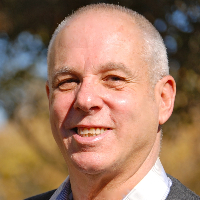
About Gary
Gary has long experience with substance use concerns, anxiety, depression, trauma, and relationship and communication issues. He also supports people facing grief, hospice and end-of-life counseling, caregiving strain, and challenges related to gender and sexual identity. He combines direct talk with practical steps aimed at real change.
Gary earned a master’s degree from the University of Phoenix and has taught in that university’s counseling department for the last 18 years, both in person and online. That teaching informs his approach to therapy and keeps him connected to current practice and classroom discussion.
In sessions he leans on Client-Centered ideas, Cognitive Behavioral Therapy, Existential approaches, EMDR, and mindfulness. He also draws on motivational interviewing and solution-focused techniques when they fit the moment. The focus is on clear goals, skills people can use right away, and steady progress.
People who work with him can expect straightforward feedback and practical tools. His stated aim is to help people reach their goals and step away from counseling when they feel ready and confident to do so.
Areas of expertise
Primary focus
Also works with
Additional focus areas
Therapeutic approaches
Experience
25+ years
Credentials
Arizona
Languages
English
Approaches that translate to online care
Client-Centered Therapy focuses on listening, respect, and helping people find their own solutions; it works well for issues like low self-esteem, relationship concerns, and life transitions. Cognitive Behavioral Therapy (CBT) helps people identify unhelpful thinking and try out different behaviors, which is useful for anxiety, depression, and coping with stress. Eye Movement Desensitization and Reprocessing (EMDR) addresses traumatic memories through structured processing and can reduce the intensity of past trauma when it fits the client's goals.Finding the right approach is part of the work together. The therapist will discuss your needs, goals, and preferences and suggest which methods to try. That collaborative process may include combining approaches or shifting course as progress is made.
Confirm current session options before booking, as specific formats are not listed here. Online therapy can make it easier to fit counseling into a busy day, reduce travel time, and allow shorter check-ins when schedules demand it. It also lets people use techniques and homework between sessions so progress continues outside the appointment time.
Frequently asked questions
What concerns does Gary commonly address?
He works with stress, anxiety, depression, addictions, trauma, relationship and communication issues, grief, hospice and end-of-life counseling, and a range of related concerns.
What is his therapeutic style like?
His style is collaborative and down-to-earth, emphasizing guidance, education, and practical steps while drawing on client strengths.
How much experience does he bring to sessions?
Gary has 25 years of clinical experience and nearly two decades teaching in a university counseling department.
Where is he based and what credentials does he hold?
He practices in Arizona and holds the LPC credential, listed as AZ LPC.
Which languages are supported for sessions?
Sessions are offered in English.
Can international clients work with him?
International clients are not currently accepted.
How are fees and payment handled?
Cost varies with location and therapist availability; sessions use a subscription model that can be canceled at any time.
What are the first steps to begin therapy?
Begin by selecting the Start Therapy button, completing a short matching questionnaire, and then scheduling according to the therapist's availability.